
Last updated October 31, 2026
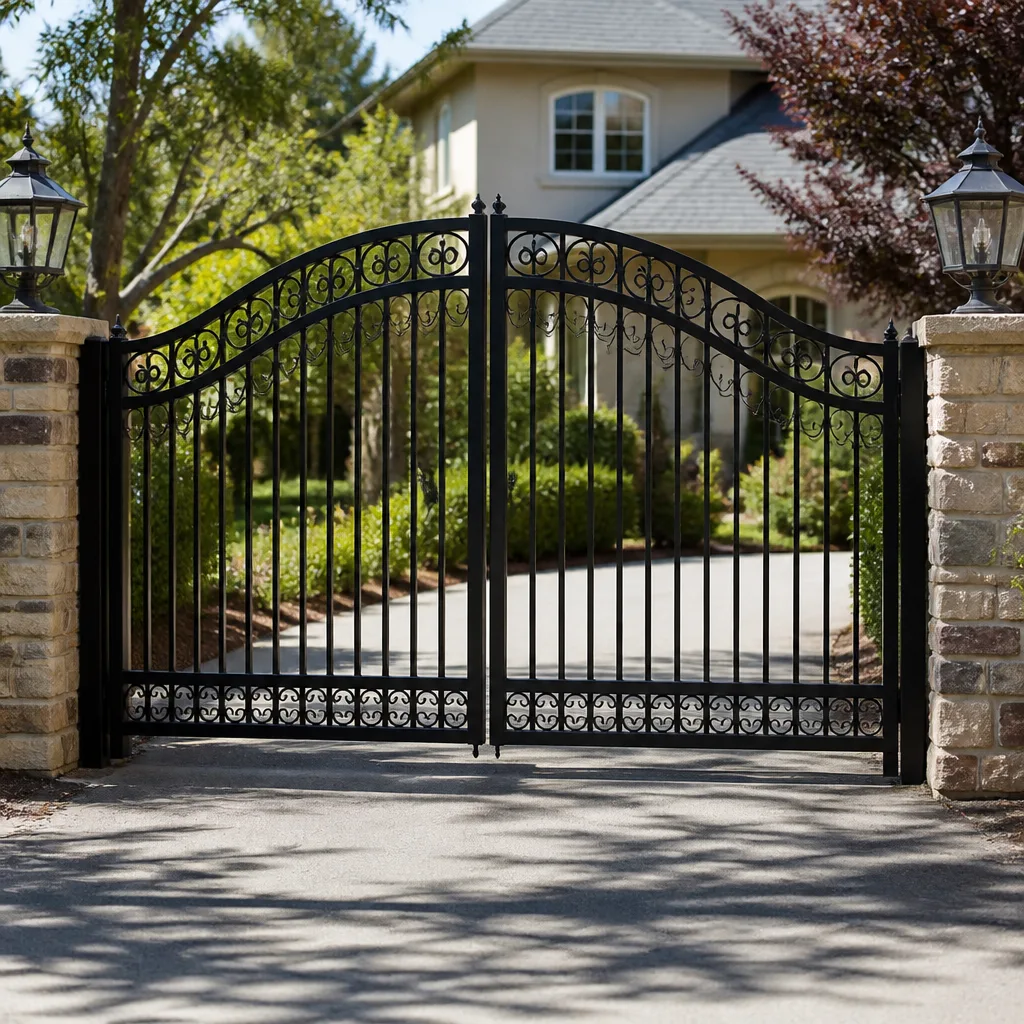 Wrought iron
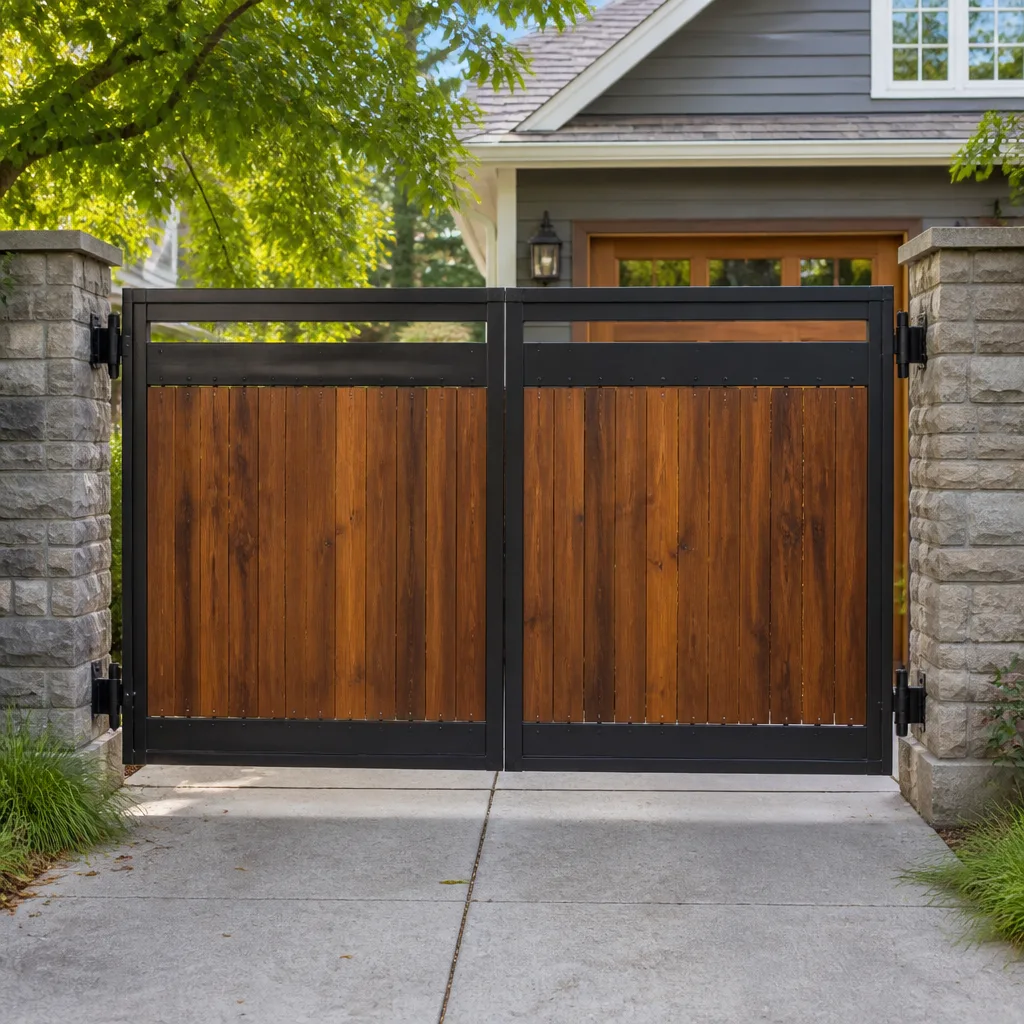 Wood & steel frame
 Farm & ranch
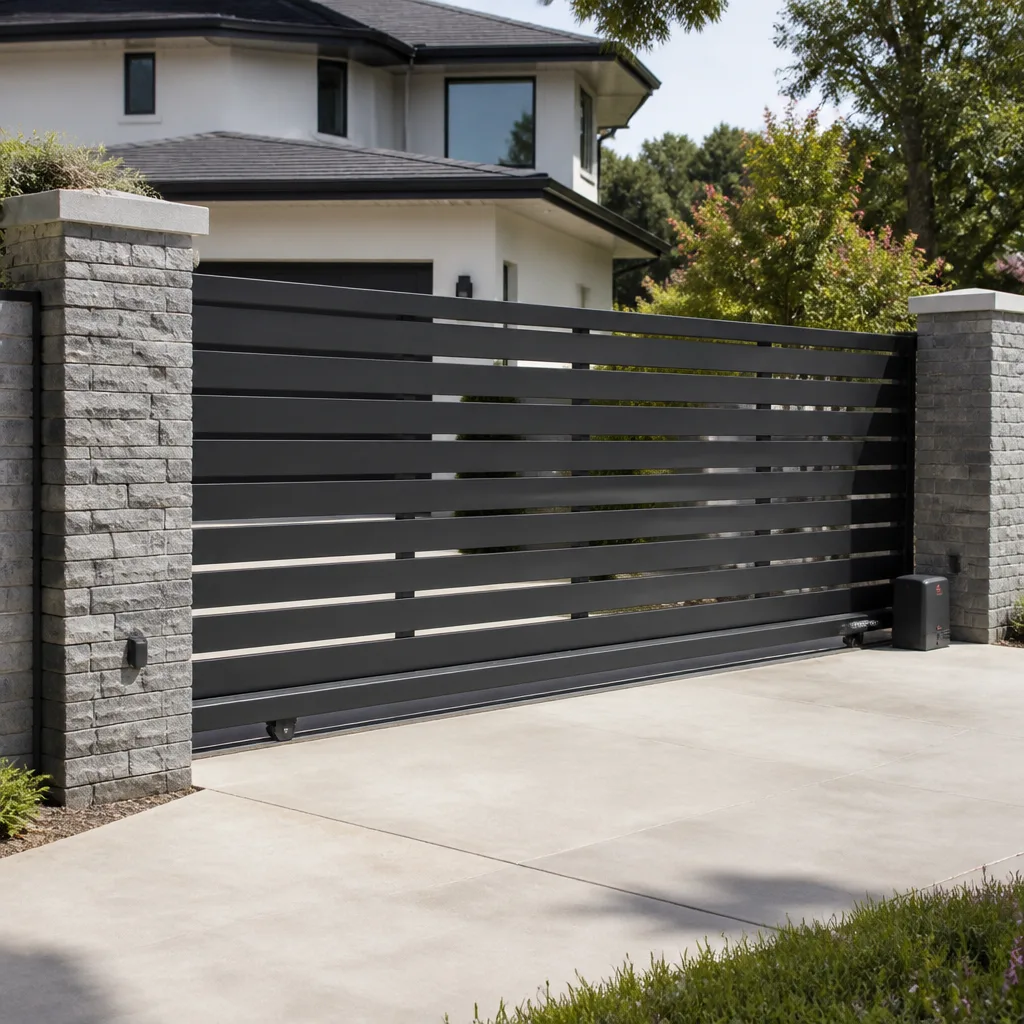 Sliding driveway gates
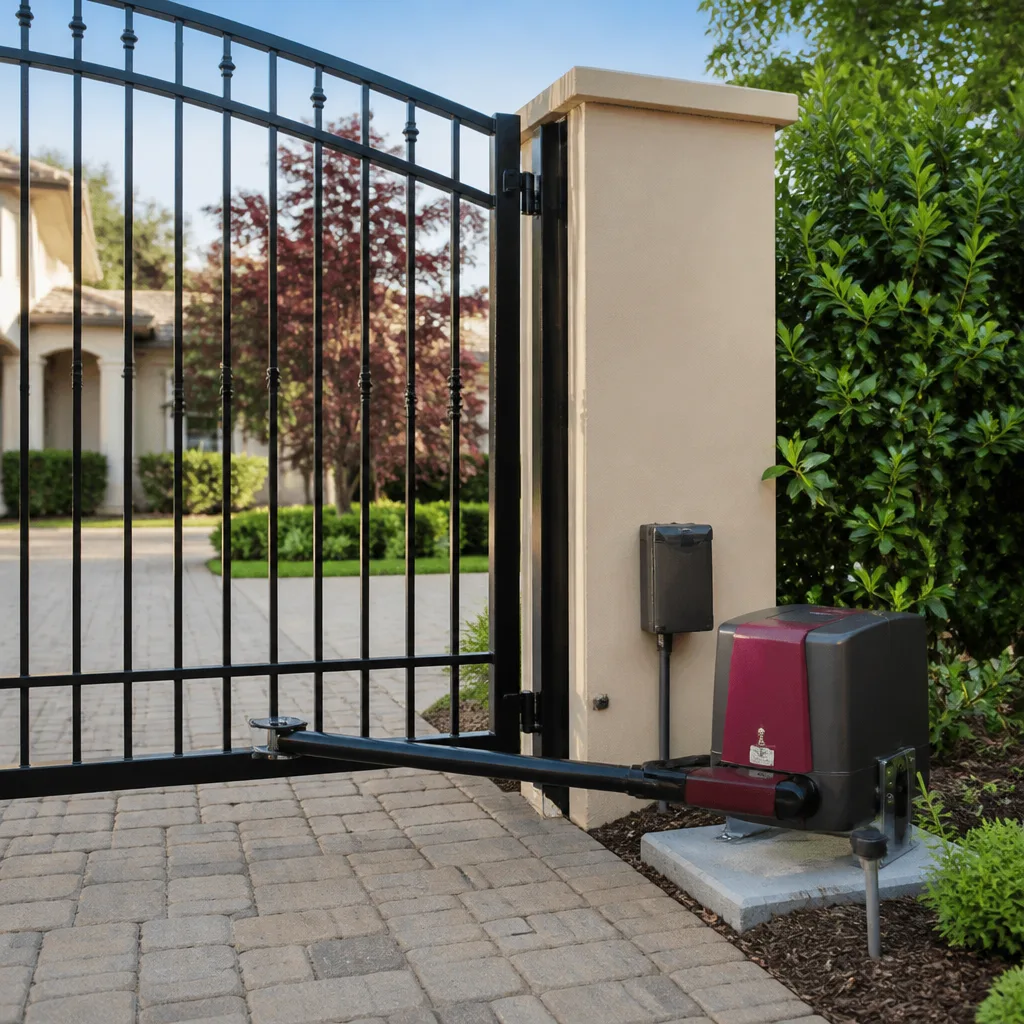 LiftMaster operators
Free on-site gate assessment - hinges, posts, and your LiftMaster or Nice gate operator checked before anything is quoted
The assessment is free and the quote is the invoice.
Get your free estimateGate Repair Emergency Preparedness Guide for Anaheim Homes
During the 2017 and 2019 Southern California fire evacuations, automated gates that lost power became physical barriers. Homeowners stood in their driveways, keys in hand, staring at a gate that would not move while evacuation orders blared over phone alerts. Most had no idea their gate had a manual release, let alone how to use it in the dark under stress. This guide gives Anaheim homeowners a concrete protocol for the three most common gate failure scenarios: the gate stuck closed, the gate stuck open, and the total power loss that disables the operator entirely. We’ll cover what to do right now, before anything breaks, so you’re not learning the hard way at 2 a.m. during an emergency.
Quick Answer
An emergency gate plan for Anaheim homes comes down to three things: knowing where your manual release is and practicing it, having a temporary security plan if the gate fails open, and keeping a one-page reference with your operator model, serial number, and a gate specialist’s phone number posted in the garage. Most gate failures are not catastrophic if you’ve prepared: a manual release takes under a minute to operate, a stuck-open gate can be temporarily secured with a chain and padlock, and battery backup kits exist for most major operator brands. For Anaheim homeowners wanting to stay ahead of problems, our Gate Repair Maintenance Checklist for Anaheim Homeowners covers the seasonal checks that prevent these failures. The expensive emergencies happen when a gate is forced, a control board is damaged by improper manual operation, or a homeowner waits hours for a generalist who has never touched a FAAC or Linear operator before.
Styles & brands we work with
Table of Contents
- How to Locate and Practice Your Gate’s Manual Release
- Power Outage Protocol for Automated Gates
- Gate Stuck Open: Temporary Security Measures
- Gate Stuck Closed: The Safe Sequence
- What to Keep Documented: Your One-Page Gate Reference
- Anaheim-Specific Considerations: Climate, Codes, and Fire Season
- Common Mistakes to Avoid
- When to Call a Professional
- Frequently Asked Questions
How to Locate and Practice Your Gate’s Manual Release
Every automated gate has a manual release mechanism. It exists for exactly the scenario you’re preparing for: power loss, operator failure, or an emergency that requires the gate to move without electricity. The problem is that most Anaheim homeowners have never touched it. The release differs by operator type, and forcing the wrong component can bend a drive arm or strip a gearbox. Here are the three operator categories you’re most likely to find on residential properties in Anaheim.
Swing Gate Operators with a Physical Key Release
Many swing gate operators, including popular Linear and Viking models, have a keyed release on the operator housing itself. A small metal key is usually zip-tied to the operator or hanging on a hook inside the control box. Inserting the key and turning it a quarter turn disengages the drive mechanism, allowing the gate leaf to swing freely by hand. Practice this: it takes about ten seconds with a working key and feels completely different when you’re doing it for the first time in daylight versus the first time in the dark.
Slide Gate Operators with a Disconnect Lever
Slide gate operators typically use a manual disconnect lever or pull chain located on the operator unit. Pulling the lever disengages the drive sprocket from the chain, letting the gate roll manually along its track. This is a heavier operation than a swing gate release: sliding a full-size gate by hand takes real physical effort. If you have a slide gate, test the release and try moving the gate a foot or two so you know what it weighs.
Articulated Arm Operators with a Built-In Release Knob
Operators like Ghost Controls and some Mighty Mule models use a release knob or pull pin directly on the arm assembly. Turning the knob counterclockwise frees the arm from the gate bracket, allowing manual movement. The catch here is that some models require the gate to be in a specific position before the release will engage. If the gate is mid-travel when power dies, you may need to nudge it slightly while turning the knob. Testing this once in controlled conditions prevents the panic of discovering it at the worst possible moment.
Practice protocol: once every six months, perform a full release and re-engage cycle on a calm afternoon. Mark the release location with a strip of reflective tape so you can find it with a flashlight. If your key is missing, get a replacement cut before you need it. Locksmiths and gate repair techs in Anaheim both can help, but the key blank has to match your operator brand: a Linear key won’t open a Viking release, and vice versa.
Power Outage Protocol for Automated Gates
Most residential gate operators in Anaheim run on standard 120V household current. When Edison shuts down power during a wind event, which happens more often in the foothill neighborhoods and canyon-adjacent communities than residents expect, your gate operator becomes a paperweight unless it has a battery backup. Knowing whether yours does is step one.
How to check: open the operator cover or control box and look for a small sealed battery, often a 12V unit, wired into the control board. If you see only wires running to a transformer, you do not have backup power. Some newer BFT and FAAC residential models have the battery built into the control board housing itself. If you’re not sure what you’re looking at, take a photo and call a gate specialist rather than guessing: a misidentified component is how control boards get fried.
If you have battery backup: understand its limits. Most residential backup batteries power the operator for 10 to 30 cycles depending on gate weight and battery age. That’s enough for normal coming and going during a short outage, but not for treating the gate like business as usual. Conservation matters: open the gate, drive through, close it. Don’t cycle it for delivery trucks or visitors.
If you don’t have battery backup: you can add one. Most LiftMaster, Linear, Viking, and Ghost Controls operators accept an aftermarket or manufacturer battery backup kit. This is a one-hour install for a gate specialist and costs a fraction of what a failed evacuation or a security incident costs. If you live in an Anaheim neighborhood bordering open space, like parts of Anaheim Hills, this is not optional equipment: it’s the difference between a gate that works during a PSPS event and a gate that doesn’t.
During an outage, use the manual release described above. Keep a headlamp in the garage near the release: you need both hands. If you have a pedestrian gate separate from the vehicle gate, test it too. Many automated vehicle gates have a manual pedestrian gate alongside that uses a simple keyed lock, and in an outage, that pedestrian gate becomes your primary access point.
Gate Stuck Open: Temporary Security Measures
A gate stuck open is the scenario that makes Anaheim homeowners most uncomfortable, and for good reason. An open gate is an invitation: it says the property is unsecured, whether that’s a driveway open to the street or a side gate leading to a backyard. The operator may have failed, a limit switch may be out of adjustment, or a safety sensor may be triggering falsely. The cause matters, but your immediate response is the same regardless.
Step 1: Secure the gate manually. If the gate is a swing gate, push it closed manually using the release mechanism. Then, chain the gate to its post with the thickest chain and padlock you have. Don’t have a chain? A heavy-duty ratchet strap or cable lock works for the night. The goal is to make the gate physically closed, not to repair it right now.
Step 2: Disable the operator. Unplug the operator or trip the dedicated breaker if it has one. A gate that failed because of a limit switch issue may attempt to open again on its own, which means it could cycle unexpectedly while you’re working near it. An operator that is powered down cannot move a gate into your car or your body.
Step 3: Do not force the arm. Never push or pull a stuck-open gate while the operator is still engaged. Forcing a damaged arm further can bend the armature, strip the gear, or snap the mounting bracket, turning a simple sensor adjustment into a full operator replacement. We’ve seen Ghost Controls units where a homeowner forced the gate closed against a locked arm and sheared the release pin entirely.
Step 4: Call for service. Realistic emergency response in Anaheim for our Gate Repair services is same-day or next-morning in most cases. Gates are not like plumbing: there are fewer specialists, and a general handyman who “can probably figure it out” is not the person you want diagnosing a control board. A gate-only specialist has seen your operator model before and likely has parts in the truck. That’s the difference between a two-hour fix and a two-week parts wait.
If you’re leaving the property before a tech arrives, close the gate manually, chain it, and secure any pedestrian access. Remove gate remote controls from vehicles parked in the driveway: a remote is effectively a key, and a car window is not a vault.
Gate Stuck Closed: The Safe Sequence
A gate that won’t open is the more dangerous scenario. It blocks your vehicle from leaving, which in an evacuation matters enormously. It also blocks first responders from entering. The sequence below assumes the operator is not functioning and you need the gate open right now, not fixed right now.
Step 1: Confirm the power situation. If the outage is area-wide, go straight to manual release. If you have power to the house and the gate is simply unresponsive, check the breaker for the gate circuit before assuming operator failure. A tripped breaker is the cheapest gate repair you’ll ever make.
Step 2: Locate and operate the manual release. Use the process in the section above. If you’ve practiced, this takes under a minute. If you haven’t, this is your punishment: doing it for the first time while your car is idling and the clock is running. Release the operator, swing or slide the gate open manually, and prop it open securely if you need to leave. Don’t leave a released gate swinging free: wind will slam it, and a slammed swing gate can shatter at the hinge weld.
Step 3: If the manual release won’t budge or is missing. This happens. Keys get lost, release knobs corrode in coastal air, and pull chains break. If the gate is held by a separate mechanical lock (common on side pedestrian gates and some older driveway gates), a bolt cutter on the lock is faster and cheaper than waiting for a tech. Padlocks run $15 to $40. A lock destroyed in an emergency is not a loss, it’s a consumable.
Step 4: If the gate is physically bound or jammed. This is where you stop. A gate that has come off its track or whose hinge has failed is not moving by hand, and forcing it risks collapsing several hundred pounds of steel onto whoever is pulling. This is the moment to call a gate specialist in Anaheim and explain that the gate is physically blocked. Be specific about the operator brand: a Linear operator on a bound gate is a different service call than a BFT on the same gate.
What to Keep Documented: Your One-Page Gate Reference
In a gate emergency, the information you need is never in one place. It’s on a sticker that faded, on a manual that’s in a drawer that’s in a room you haven’t opened in six months, and on a receipt that’s in an email you can’t find. Fix that now by creating a one-page gate reference sheet. Laminate it. Post it in the garage next to the breaker panel. This is not busywork: it’s the single highest-leverage preparation step we can offer, and it takes fifteen minutes.
Your gate reference page should include:
- Operator brand and model: Ghost Controls GTR156, Linear SLR, Viking R-6, BFT Rigel 5, whatever yours is. The model number is on a sticker on the operator housing or inside the control box.
- Operator serial number: This matters for warranty claims and parts matching, especially on BFT and FAAC units where board versions change between production runs.
- Manual release location and type: A photo with an arrow drawn on it beats a written description. “Turn the knob on the arm counterclockwise” is less useful at 2 a.m. than a picture of the exact knob.
- Breaker number for the gate circuit: Label it on your panel right now, not during the emergency.
- Gate specialist contact: A gate-only repair company’s number, not a handyman’s. Write down Ironcrest Gate Repair home information and the direct line, (833) 589-7839.
- Battery backup status: “No backup battery installed as of [date]” or “Backup battery installed [month/year], replace by [month/year].”
- Pedestrian gate lock type and key location: If your vehicle gate goes down, you may be using the side gate more often. Know where that key lives.
If you have a property manager or an HOA-maintained gate, get the same information for the common-area gates. Most Anaheim HOAs with gated entries do not distribute this information to residents, and in an emergency, every resident who doesn’t know the manual release is a resident who’s stuck inside. Ask your HOA for the operator brand, model, and manual release procedure. They may resist. Persist.
Anaheim-Specific Considerations: Climate, Codes, and Fire Season
Anaheim is not a mild-weather city for gate hardware. The combination of intense summer sun, Santa Ana winds, and the occasional coastal marine layer creates conditions that age gate components faster than homeowners expect. Paint fades, rubber seals crack, plastic housings become brittle, and electronics degrade in the heat. A control board that lives in a steel box facing west sun in Anaheim runs significantly hotter than the same board in a shaded coastal installation, and heat is what kills capacitors over time.
Fire season is the most serious gate-related risk in this area, and it’s not theoretical. The 2017 Canyon Fire 2 forced evacuations in Anaheim Hills and surrounding communities, and gates were a documented access problem. During mandatory evacuations, every minute counts: a homeowner who can’t open their gate is a homeowner who is either stranded or climbing fences. The manual release procedure is not a convenience in this context, it’s a survival skill.
Santa Ana wind events also bring Public Safety Power Shutoffs from SCE, which means your gate operator loses power before, during, and sometimes for days after a wind event. Battery backup installation should be a priority for any Anaheim home that relies on an automated gate as its primary vehicle access. The cost of a backup battery is a rounding error compared to the cost and stress of a gate that won’t open when you need to leave or won’t close when you need to leave safely.
Local code matters too. Anaheim’s building code requires gates to meet specific safety standards, including proper vehicle detection loops, photo eye sensors, and in some cases, fire access requirements for gated communities. If you’re modifying your gate or replacing the operator, work with someone who knows these requirements. A gate that opens manually but violates fire department access rules is a liability, and a gate installation done by a contractor who doesn’t know Anaheim’s specifics will be found out during inspection or during a fire event, whichever comes first. For context on what proper installation looks like in this area, see our guide on Gate Installation in Brea for the standards we apply across the region.
Common Mistakes to Avoid
- Not knowing where the manual release is. This is the number one failure we see. Homeowners who have owned a gate for ten years and have never once touched the release mechanism are not rare; they’re the majority. The fix is simple: find it today, not during the evacuation.
- Forcing a gate that’s resisting. A gate that won’t move manually is telling you something. Forcing it bends the arm, strips the gear, or causes the gate to jump off its track. The repair bill goes from a sensor adjustment to an operator replacement very quickly.
- Keeping gate remotes in parked cars. A garage door opener in a car is standard and low-risk. A gate remote in a car parked in the driveway is a key to your property sitting in a glass box. Break-ins in Anaheim happen; don’t hand the thief your gate access.
- Assuming the HOA will handle common-area gates in an emergency. HOAs have emergency protocols, but those protocols are for gate failure during normal conditions. During a power outage or fire event, the HOA’s gate vendor is servicing every other community they manage. Your personal home gate is your responsibility, and assuming help will arrive quickly is a plan for being stuck.
- Installing battery backup but never testing it. Batteries age, and a backup battery that hasn’t been tested in three years is dead weight. Test it quarterly by cutting power to the operator and cycling the gate once or twice. If it doesn’t operate smoothly on battery, replace the battery before you need it.
- Hiring a generalist for a specialized repair. Every gate specialist in Anaheim has been called in to fix the work of a handyman or general contractor who “figured it out.” The bill is always higher because the first repair made it worse. Gate work is specialized: board diagnostics, torque limits, and sensor alignment are not beginner skills.
When to Call a Professional
Some gate problems are genuinely DIY-able: replacing a padlock, testing a release, propping a gate closed with a strap. The rest belong to someone who works on gates every day. Call a gate specialist when you see or hear any of the following: the operator runs but the gate doesn’t move smoothly; the gate reverses unexpectedly or doesn’t close fully; there’s a grinding noise from the gear or chain; the circuit board is corroded or burned; the gate is off its track; or you’re looking at the manual release and genuinely unsure which component is which.
For Anaheim homeowners, the short version is this: if the gate is binding, arcing, or blowing breakers, don’t experiment. A professional diagnosis costs less than the parts you’ll destroy by guessing. Ironcrest Gate Repair offers free estimates in Anaheim – call (833) 589-7839 and we’ll tell you what’s wrong and what it costs to fix before any work starts. That’s how we work, and it’s why we’re comfortable telling a customer when a gate is worth repairing versus when it’s time to replace it. Our focus is gates: Electric Gate Repair in Brea service calls, operators, hinges, tracks, keypads, access control, and structural components. No garage doors, no fencing, no “we also do windows.” Gate work is all we do, which means we’ve seen your operator model before and we’ll diagnose it faster than someone Googling the manual on-site. If your gate is beyond saving, we handle Gate Repair in Brea and full replacement under one roof, no second contractor needed.
Frequently Asked Questions
Locate the manual release on your operator, which is either a keyed cylinder, a pull lever, or a release knob depending on your operator type, then disengage it and push or slide the gate open by hand. If you haven’t practiced this before, do it now on a calm day so the first time isn’t in the dark. Call (833) 589-7839 if you need help identifying the release on your specific LiftMaster, Linear, Viking, or Ghost Controls unit.
Close the gate manually using the release mechanism, then chain it to the post with a padlock or heavy-duty strap for the night, and unplug the operator so it can’t cycle unexpectedly. Don’t force the arm while the operator is engaged: forcing a stuck arm is how simple sensor repairs become full operator replacements. If the gate won’t move manually at all, call (833) 589-7839 for same-day service in Anaheim.
Most major residential gate operators, including LiftMaster, Linear, Viking, Ghost Controls, BFT, and FAAC, accept a battery backup kit, either manufacturer-made or aftermarket. If yours doesn’t, it’s time to consider an operator upgrade, because a gate that can’t operate during a power shutoff is a liability in Anaheim’s fire-prone foothill neighborhoods. Expect to pay a few hundred dollars for the battery and install, and far less than the cost of a gate that fails during an evacuation.
Emergency gate repair in Anaheim typically runs $150 to $400 for most common failures like sensor misalignment, limit switch adjustment, or a manual release repair, while control board replacements and motor assemblies run higher depending on the operator brand and part availability. The exact price depends on what’s actually wrong, which is why we quote the work before we start it. Call (833) 589-7839 for a free estimate, and you’ll know the number before you commit.
Yes, forced gates are repairable in most cases, though the repair may involve straightening a bent arm, replacing a sheared release pin, or realigning the gate on its hinges depending on how the force was applied. The more critical question is what the intruder accessed while the gate was unsecured, so your immediate step is securing the property and documenting the damage. Then call (833) 589-7839, and we’ll assess what’s actually broken versus what’s salvageable.
We service and install nine major gate operator brands across residential and commercial lines, including LiftMaster, FAAC, BFT, Linear, Viking, Ghost Controls, DoorKing, Elite, and Mighty Mule. That range matters because a Linear swing arm and a BFT slide operator fail differently, and a technician who only knows one brand is guessing on the other. If your operator is from a brand not in that list, call anyway: we’ll tell you honestly whether we’re the right fit or who you should talk to instead.
The Bottom Line
Gate emergencies in Anaheim are rare but consequential, and the difference between a minor inconvenience and a real security or safety problem comes down to preparation, not luck. Find your manual release and practice it. Install battery backup if you don’t have it, because Santa Ana winds and PSPS events are not going away. Keep a one-page gate reference posted in the garage with your operator model, serial, and a gate specialist’s number on it. And when something fails that’s beyond your ability to diagnose, call someone who works on gates every day, not someone who also installs ceiling fans and patches drywall. For more guides & resources on keeping your gate reliable year-round, visit our blog. A gate-only specialist like Ironcrest Gate Repair will arrive faster, diagnose faster, and fix it right the first time. Call (833) 589-7839 for a free estimate, and be prepared before you ever need us in an emergency.
Written by the team at Ironcrest Gate Repair, serving Anaheim since 2017.
See the difference
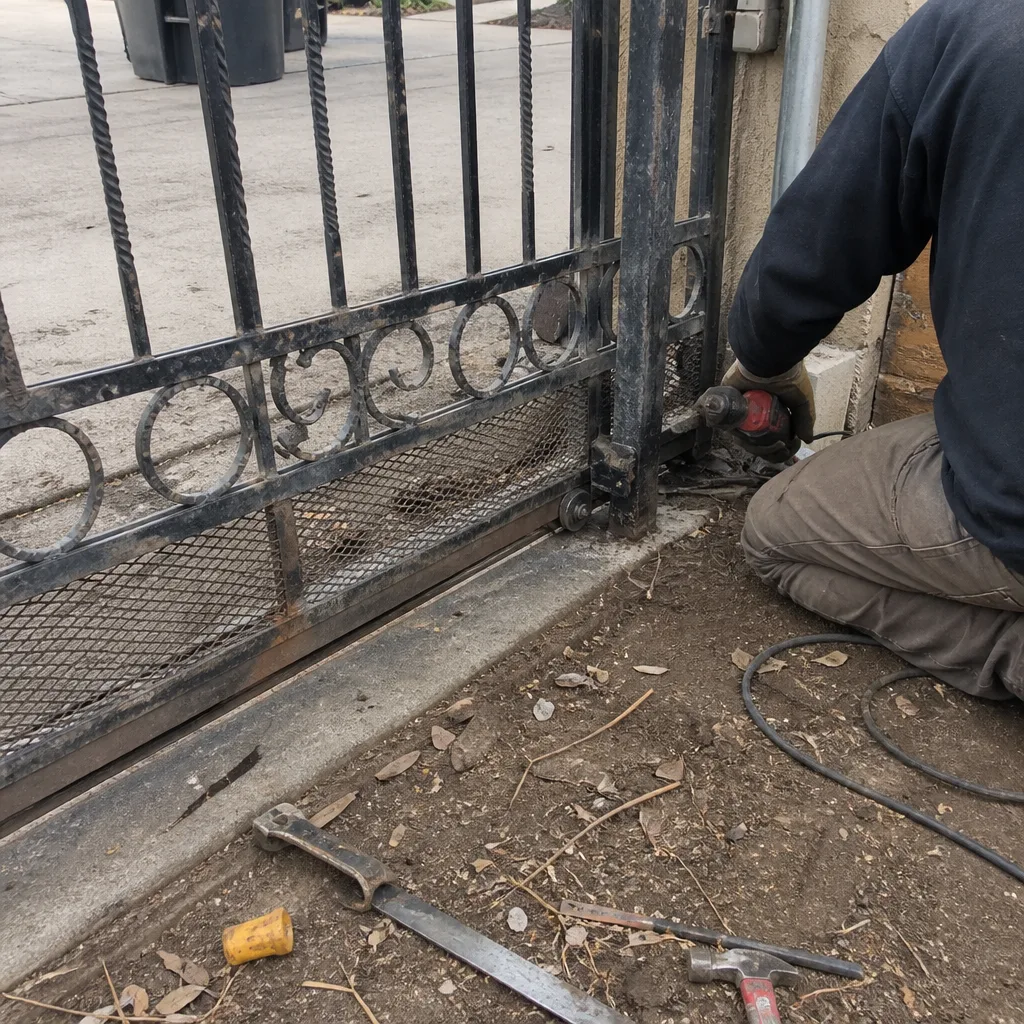 Before
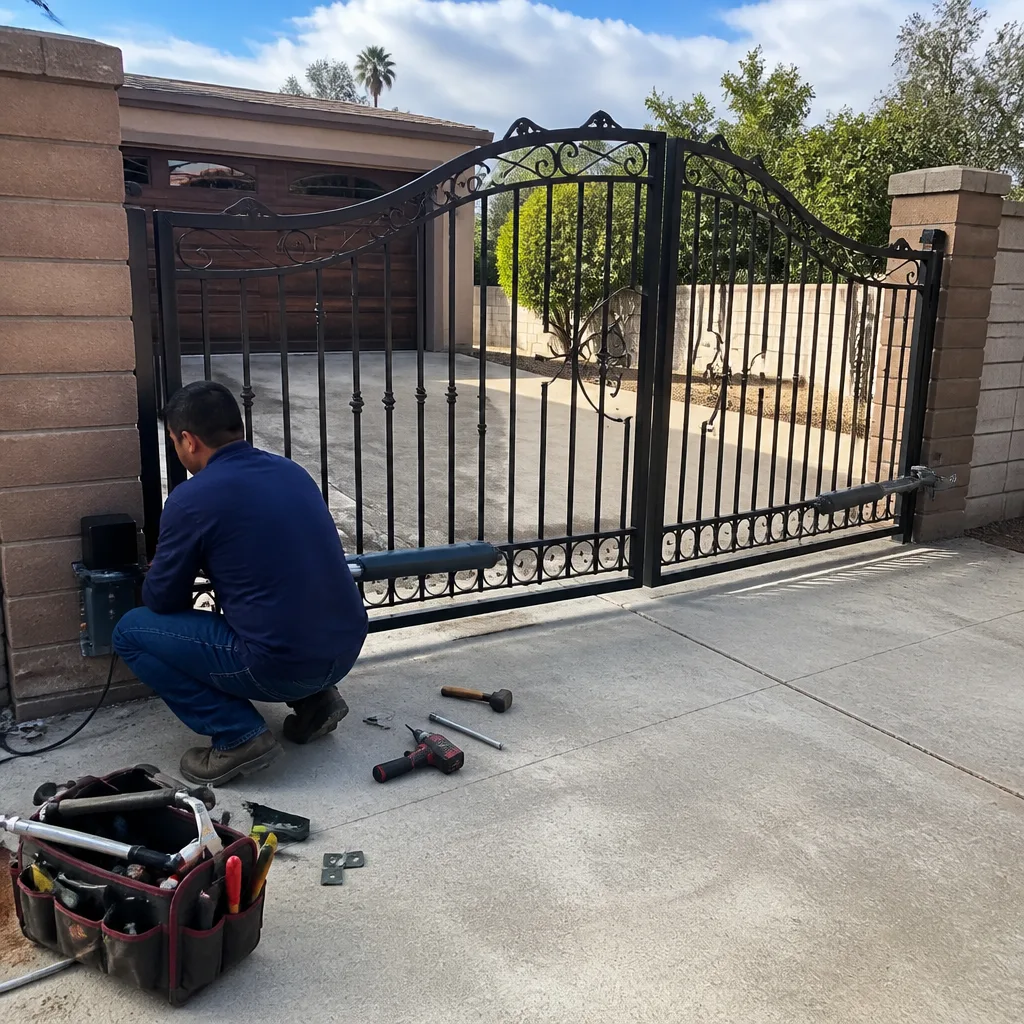 After
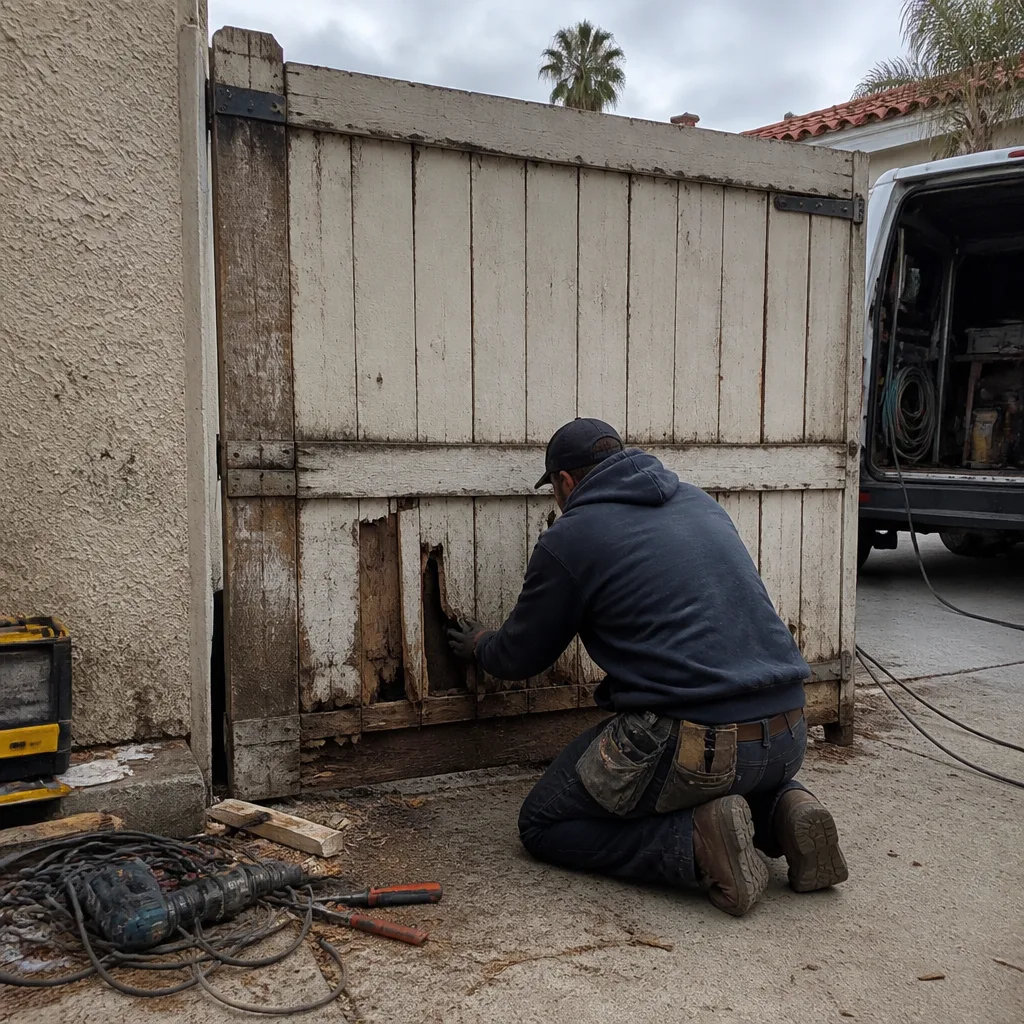 Before
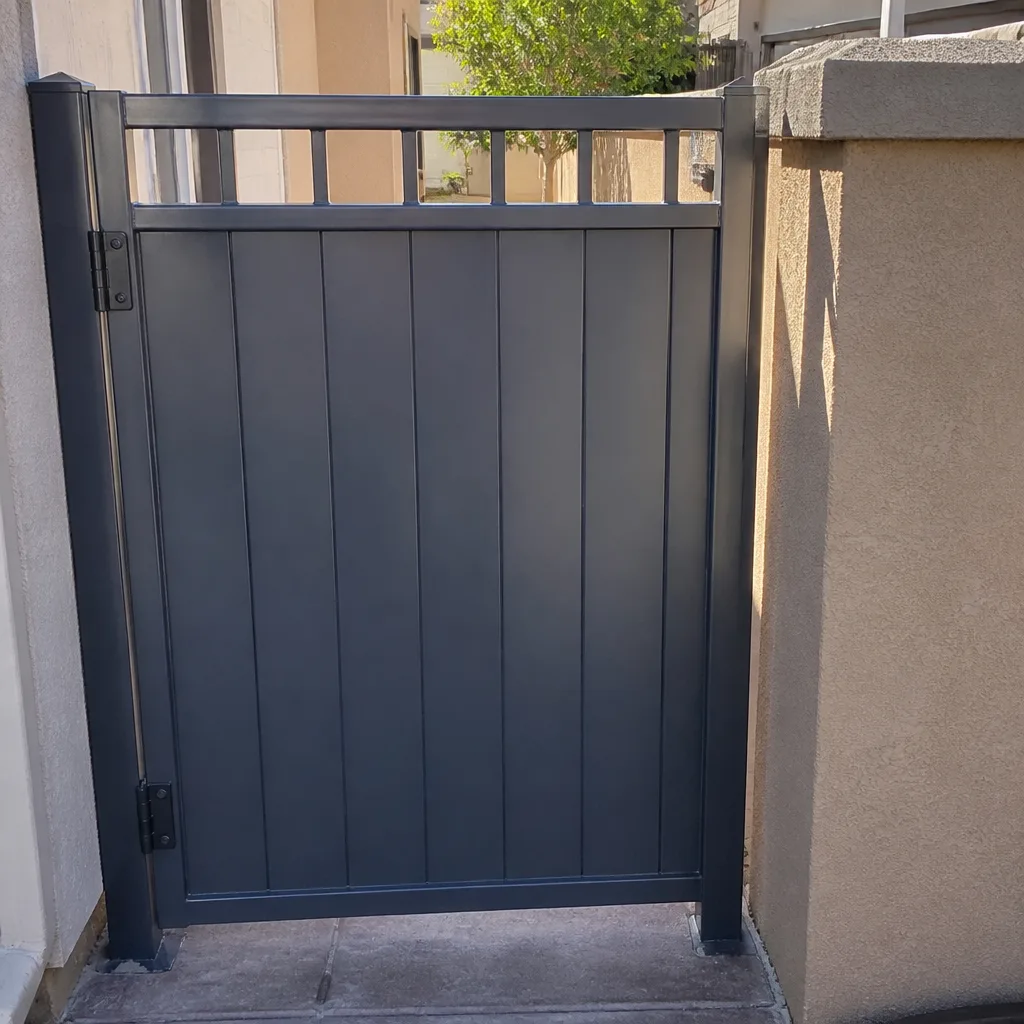 After
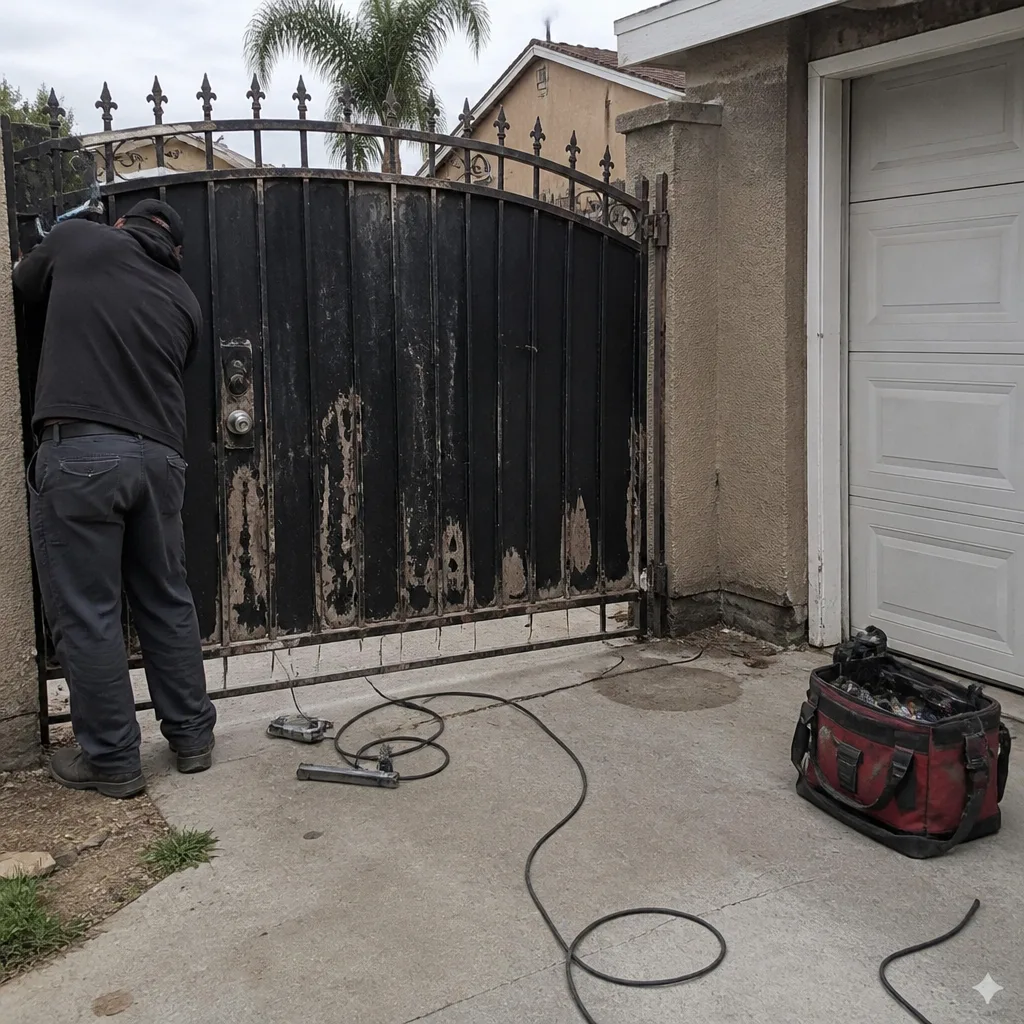 Before
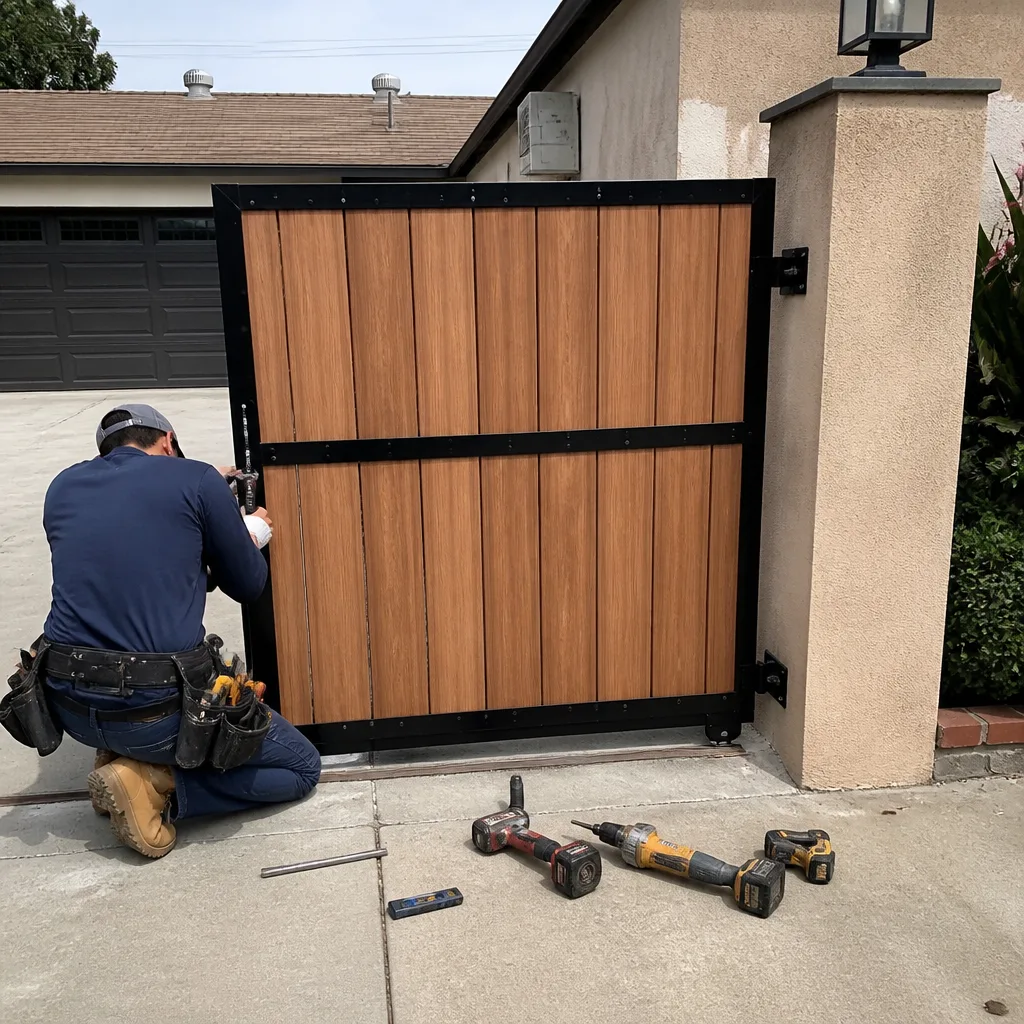 After