
Last updated October 31, 2026
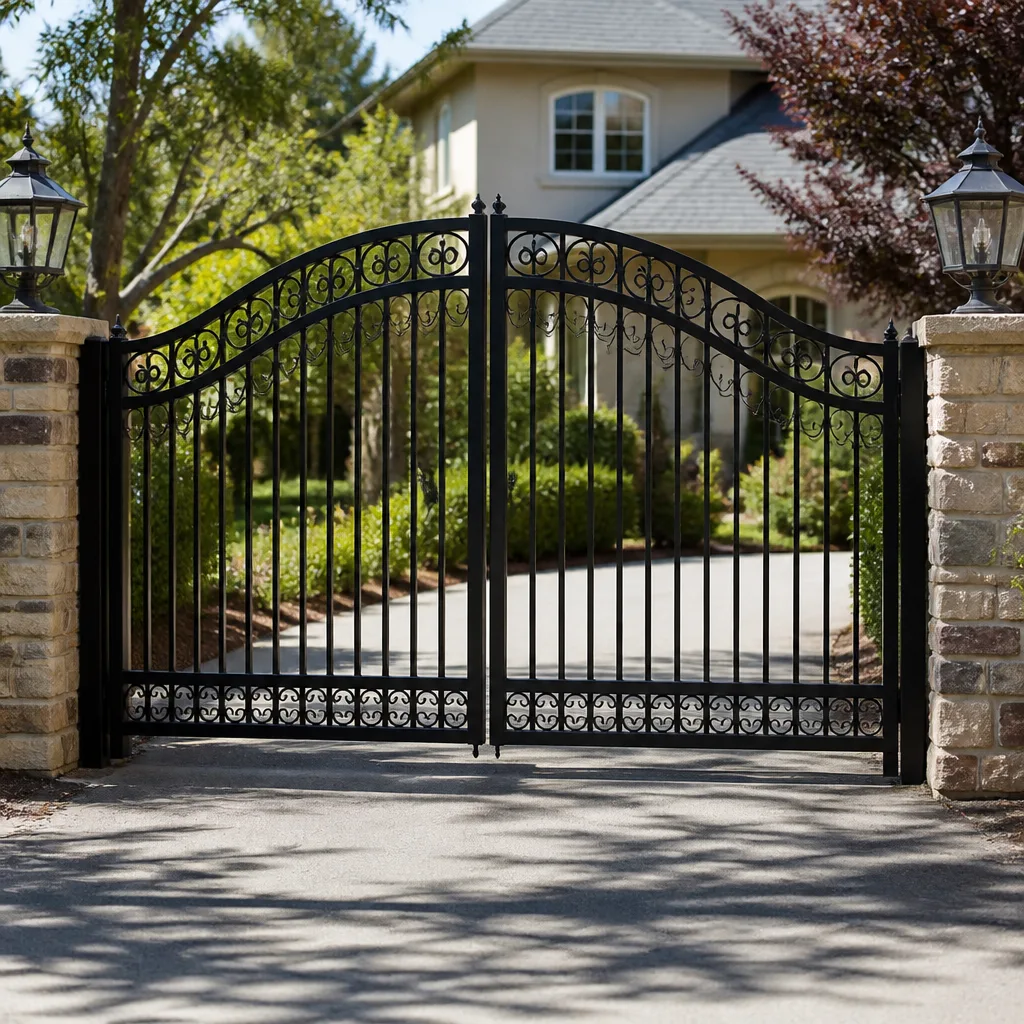 Wrought iron
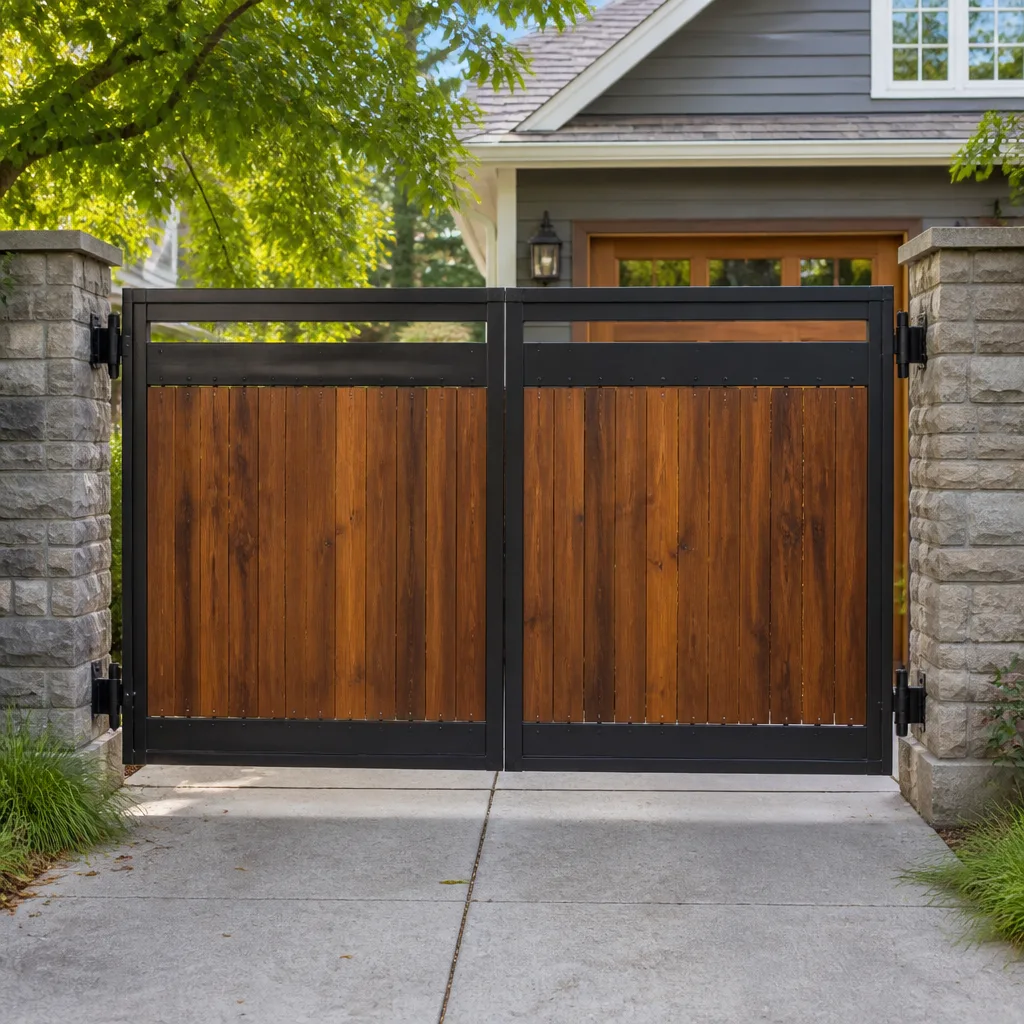 Wood & steel frame
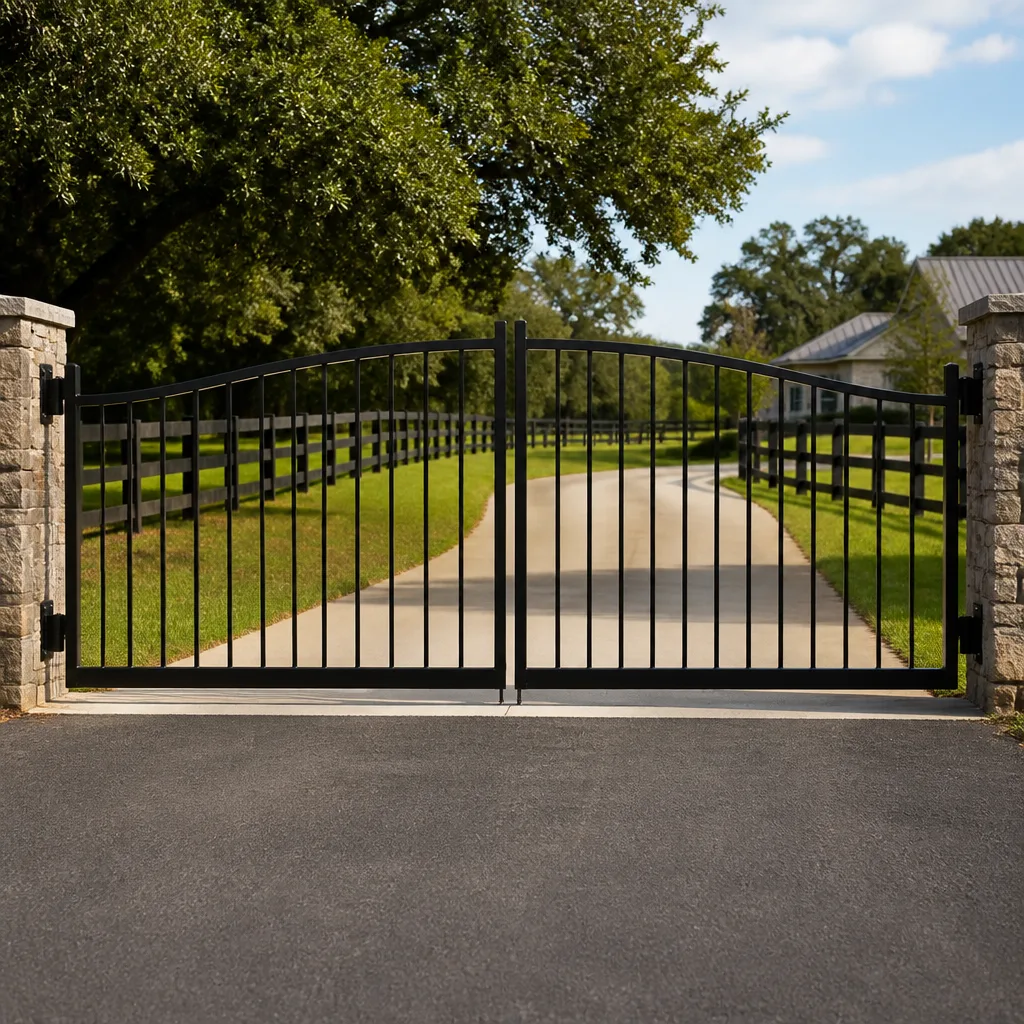 Farm & ranch
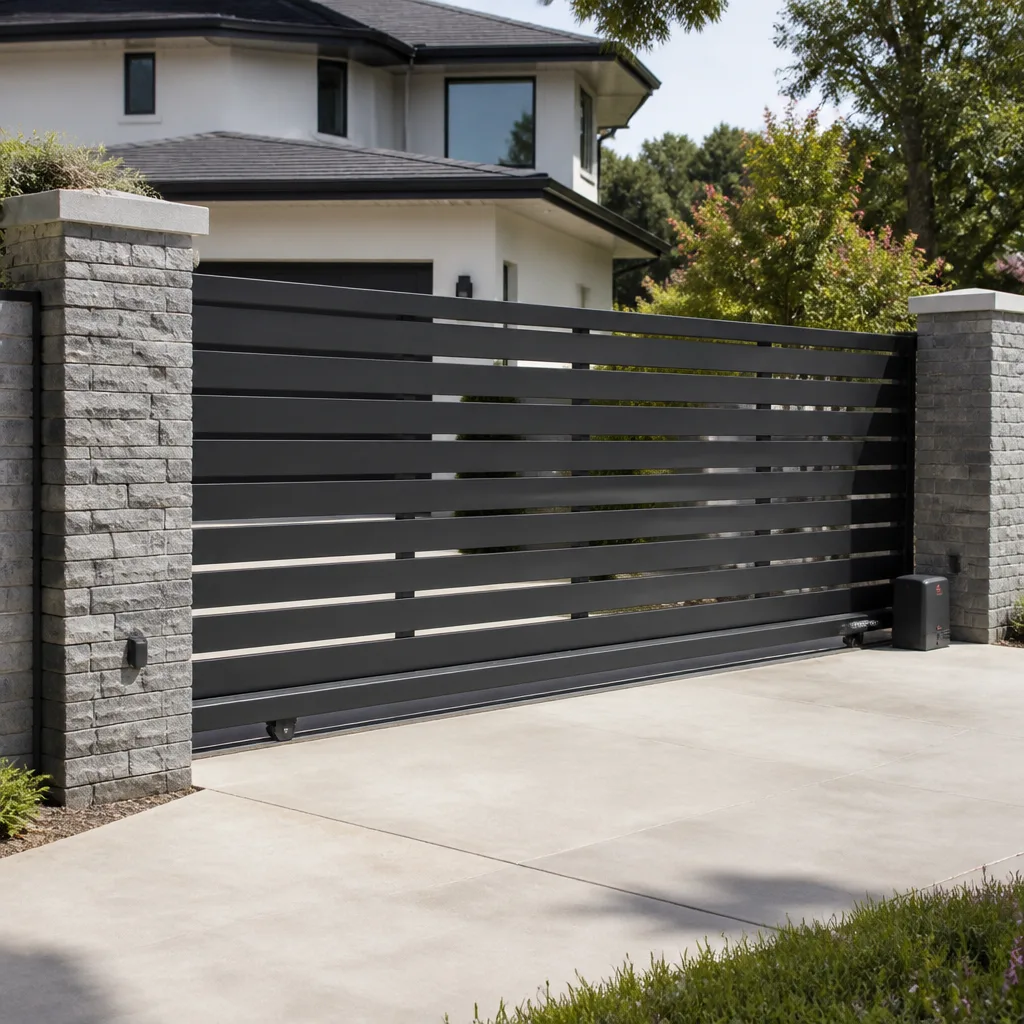 Sliding driveway gates
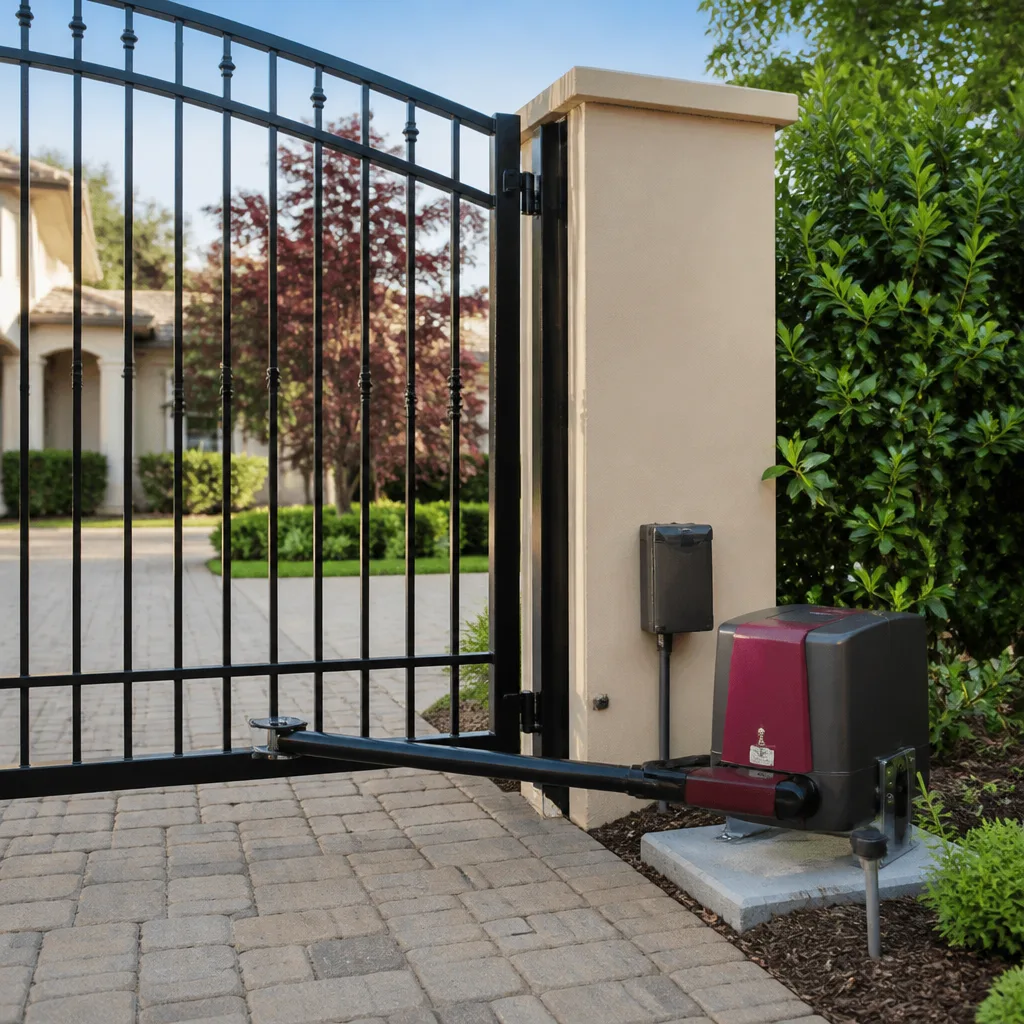 LiftMaster operators
Free on-site gate assessment - hinges, posts, and your LiftMaster or Nice gate operator checked before anything is quoted
The assessment is free and the quote is the invoice.
Get your free estimateSeasonal Gate Repair Care for Anaheim: Year-Round Homeowner’s Guide
Anaheim’s “mild climate” reputation convinces a lot of homeowners they can install a gate and forget about it. That assumption costs money. Summer pavement temperatures here routinely exceed 150°F, which warps PVC components and bakes lubricant out of hinges faster than a Minnesota winter ever could. This guide walks through what actually degrades gates in Anaheim across each season, what to check, and when to call a specialist. If you own an automated gate in Anaheim, the next fifteen minutes will save you a service call.
Quick Answer
Seasonal gate care in Anaheim means aligning maintenance with four distinct local stress cycles: summer UV and heat on electronics, fall Santa Ana wind torque on hardware, winter rain-driven rust at welds and enclosures, and spring recalibration before peak temperatures return. A proper seasonal routine takes about 30 minutes per quarter and prevents most premature operator failures. Focus your attention on the operator box, hinge lubrication, track debris, and rust at weld points.
Key Takeaways
- Anaheim’s summer heat, not cold, is the primary killer of gate electronics and plastic components.
- Santa Ana winds in fall loosen post anchors and torque gate arms out of alignment.
- Winter rain events expose rust vulnerabilities at welds and control board enclosures.
- Spring is the optimal window for repainting, re-lubricating, and recalibrating gate force settings.
- A simple seasonal log reveals wear patterns before they become sudden failures.
- Electric gate repair is a specialist’s job; DIY attempts on operators often void warranties.
Styles & brands we work with
Table of Contents
- Summer (June – September): UV, Heat, and the Operator Box
- Fall (October – November): Santa Ana Wind Prep
- Winter (December – February): Rain, Rust, and Moisture Intrusion
- Spring (March – May): Repaint, Re-Lubricate, Recalibrate
- Building a Seasonal Gate Log That Actually Works
- Common Mistakes to Avoid
- When to Call a Professional
- Frequently Asked Questions
Summer (June – September): UV, Heat, and the Operator Box
Summer is the season that separates quality gate installations from marginal ones in Anaheim. The problem isn’t just the air temperature. It’s the cumulative effect of direct sun on dark metal surfaces, plastic housings, and the confined air inside control board enclosures.
We’ve opened operator boxes in Anaheim in August and measured internal temperatures above 140°F. Control boards are rated for a specific operating range, and sustained exposure at the upper limit shortens capacitor life and degrades solder joints. This is where brand quality shows. A Viking or Ghost Controls operator with a properly ventilated enclosure handles Anaheim summers noticeably better than an entry-level unit stuffed into a sealed box on a west-facing wall.
What to Do in Summer
- Check the operator box ventilation. Look for blocked louvers, spider webs across vent openings, or anything blocking airflow. If the enclosure has no ventilation at all, consider adding a shade panel that leaves a 6-inch air gap between the shade and the box.
- Inspect wiring insulation. UV breaks down wire jacketing over time, especially where wiring exits conduit and runs exposed to the gate arm. Cracks in insulation expose conductors to moisture and short circuits. Catch it in summer, fix it before winter rain.
- Touch up painted surfaces. Bare metal under Anaheim sun reaches temperatures that accelerate corrosion. A $12 can of rust-inhibiting paint applied to scratches on posts, gate frames, and the operator arm extends structural life by years.
- Lubricate hinges and pivot points. High heat thins out lubricant. Use a silicone-based lubricant on hinge pins, roller bearings, and the gate latch mechanism. Avoid WD-40 as a primary lubricant; it displaces moisture but doesn’t provide lasting film strength.
- Test the auto-reverse function. Heat can affect force sensor calibration. Place a 2×4 in the gate path and confirm the gate reverses on contact. If it pushes through, the force setting needs recalibration.
One thing most Anaheim homeowners miss: PVC and vinyl gate components warp under direct afternoon sun. A gate that operates smoothly at 8 a.m. may bind at 3 p.m. because the panel expanded. If your gate scrapes the latch post only in the late afternoon, it’s thermal expansion, not a structural failure. Adjust clearances slightly or install the latch on the cooler side of the day.
Fall (October – November): Santa Ana Wind Prep
Santa Ana winds are Anaheim’s version of a seasonal gate stress test. A 40 mph gust pushing against a 12-foot gate arm exerts enormous leverage on the operator, the hinges, and the post anchors. Gates that survive summer heat often fail in October because wind finds the weakness heat created.
What to Do in Fall
- Check gate arm torque settings. Most automated gate operators have an adjustable torque or force dial. Too high and the gate becomes dangerous to people and pets. Too low and wind pushes the gate off its travel path. After a Santa Ana event, test the gate and listen for straining motors or stuttering movement.
- Clear sliding gate tracks. Anaheim’s fall winds deposit eucalyptus leaves, palm fronds, and fine dirt directly into sliding gate tracks. A track half-full of debris forces the motor to work harder and can derail the gate entirely. Use a stiff brush and a shop vacuum. Don’t use water; it silts up drain holes.
- Inspect post anchoring. Grab each gate post and attempt to rock it. A post that moves more than a quarter inch under hand pressure has compromised anchoring. The fix is usually re-setting the post in concrete or adding a stiffener plate. This is not a DIY job if the post carries an automated gate; misalignment cascades into operator damage.
- Lubricate the motor chain or belt drive. Dry Santa Ana air strips lubricant from drive components. Apply chain-specific lubricant to chain drives and check belt tension on belt-drive units. A loose belt slips in high wind and wears prematurely.
Fall is also the right time to check the gate’s manual release mechanism. In a wind event or power outage, you need to be able to disengage the operator and move the gate by hand. Test it quarterly, but especially before Santa Ana season peaks.
Winter (December – February): Rain, Rust, and Moisture Intrusion
Anaheim gets maybe 14 inches of rain a year, but it arrives in concentrated bursts. A single atmospheric river event can drop 3 inches in two days. That’s enough to expose every rust vulnerability a gate has been quietly accumulating through the dry months.
Where Winter Rain Hits Gates Hardest in Anaheim
- Weld points on steel frames. Rust forms at welds first because the heat of welding changes the metal’s grain structure, making it more reactive. Check the bottom corners of gate frames and the connection points between hinges and the gate leaf after every significant rain event.
- Control board enclosures. Moisture enters through degraded gaskets, loose conduit fittings, or mounting holes that were never sealed. A control board with visible corrosion on terminals is a failure waiting to happen. Open the enclosure after rain and look for condensation, rust, or standing water.
- Underground loop detectors. In Anaheim, most automated gates use in-ground loop detectors for vehicle detection. Rain saturates the ground and can cause false detections or total loop failure if the loop wire insulation is compromised at the saw-cut seam. If your gate cycles erratically during or after rain, suspect the loop.
- Keypad and intercom housings. Exposed keypads and intercoms collect moisture at the membrane. A keypad that works intermittently in wet weather has water intrusion. Seal the housing or replace the unit before corrosion spreads to the wiring.
Winter Maintenance Steps
- After any rain event over half an inch, inspect the gate. Look for rust blooms at welds, bubbles under paint, and any pooling water on horizontal surfaces.
- Apply a rust converter to surface rust. Products like POR-15 or Rust-Oleum Rust Reformer neutralize existing surface rust and create a paintable barrier. This is a homeowner-appropriate job if the rust is surface-level.
- Check the drainage around gate posts. Standing water at the base of a post accelerates rust and can erode the concrete footing over multiple seasons. Regrade soil so water flows away from the gate line.
- Verify the operator enclosure is sealed. Replace compressed gaskets, tighten conduit connectors, and add silicone sealant to any unsealed mounting penetrations. A tube of clear silicone costs under $10 and prevents $800 control board replacements.
- Repaint bare or rusting areas. You already treated rust in winter. Now apply a full top coat to protected areas. Use an oil-based enamel or a direct-to-metal acrylic. One coat on clean metal, two coats on primed rust areas. Anaheim’s dry spring air gives you perfect paint-curing conditions.
- Re-lubricate every moving point. Hinges, latch mechanisms, roller bearings, chain or belt drives, and the manual release mechanism. Use the correct lubricant for each component: silicone for hinges and latch parts, chain lube for chains, and a dry lubricant for keypads and lock cylinders.
- Recalibrate gate force settings. The operator’s force sensitivity should be set so the gate reverses with minimal resistance. Over the year, mechanical wear changes the force required to move the gate. Recalibration in spring ensures the gate is both safe and functional before summer heat shifts everything again.
- Test the auto-close and obstruction sensors. Place an object in the gate path at different heights and confirm the gate stops and reverses at ground level, mid-height, and near the top of the photo-eye beam.
- Clean and test the keypad or access system. Corroded keypad contacts cause intermittent failures. Clean the contact points with electrical contact cleaner, then test every access code and remote. Reprogram any that fail.
- Inspect the gate track and rollers for sliding gates. Clean out winter debris, check roller bearings for play, and confirm the track is level. A track that has shifted a quarter inch over the year creates uneven wear on every roller.
- Date and season. Simple, but necessary for pattern recognition.
- Lubrication notes. What you lubricated, what product you used. This prevents double-lubricating and tracks which components need more frequent attention.
- Rust observations. Location, size, and what you treated it with. A weld that shows new surface rust every winter for three years running is telling you something about that weld.
- Operator behavior. Any unusual sounds, hesitation, or inconsistent movement. Write down what you heard and when. A motor that hums for two seconds before engaging in spring may fail entirely by fall.
- Wind damage notes. After Santa Ana events, record whether the gate shifted, scraped, or struggled. If wind damage appears every October, you might need a wind-rated operator or a more substantial post anchoring.
- Repairs and replacements. Parts swapped, costs, and who did the work. This becomes invaluable when deciding whether to repair or replace an aging system.
- Skipping maintenance because “the weather is mild.” Anaheim’s mild climate doesn’t reduce gate wear; it just changes the mechanism. Heat, wind, and concentrated rain each create specific failure modes that an attentive homeowner can prevent.
- Using the wrong lubricant. WD-40 is a moisture displacer and a light penetrant, not a lasting lubricant. Using it on hinges feels productive for a week, then the metal is drier than before. Silicone or lithium grease for mechanical parts, always.
- Painting over rust without treating it. Paint seals rust in and it continues spreading underneath. You need a rust converter or mechanical removal (wire brush, sanding) before any top coat goes on.
- Ignoring a noisy gate. A gate that squeaks, grinds, or clunks is communicating. Every noise has a source, and most are cheaper to fix early than late. Ignoring a grinding roller for six months turns a $40 roller replacement into a $400 track repair.
- Attempting electric operator repairs without training. Gate operators carry line voltage and store energy in capacitors even when unplugged. The force settings are calibrated to prevent injury. Working on a charged operator without proper training risks both personal injury and destroying the control board. If the issue is electrical, call a gate specialist.
- Forgetting the manual release test. The first time you need the manual release is not the time to discover it’s seized. Test it every season. A seized manual release during a power outage turns a minor inconvenience into a blocked driveway.
- Treating rust at welds too late. By the time a weld shows deep orange rust and flaking, the structural integrity may already be compromised. Rust at welds needs attention at the first surface bloom, not six months later. The weld joint is where a gate frame fails catastrophically when it does fail.
Winter in Anaheim is also when we see a spike in gate hinge failures. The rain exposes hinges that were already fatigued. A hinge that’s been quiet for years starts squealing in January. Lubricate it. If the squeal persists after lubrication, the bearing or pin may be worn beyond saving and should be replaced before it binds completely.
Spring (March – May): Repaint, Re-Lubricate, Recalibrate
Spring is the working season for Anaheim gates. The weather is ideal for surface work, and you have roughly eight to ten weeks before the summer heat cycle begins. Use it.
Think of spring as the gate equivalent of a tune-up: everything gets cleaned, adjusted, and brought to a known-good baseline.
Spring Maintenance Checklist
If you have a DoorKing or Elite commercial-grade operator on a residential property, spring is when you want to verify the cycle count settings and check the motor brushes. These are workhorse units built for high traffic, but they still need periodic inspection. A technician who knows electric gate repair on these specific brands can spot brush wear before it scores the commutator.
Building a Seasonal Gate Log That Actually Works
Most homeowners never track gate maintenance, which means every failure feels sudden. It isn’t. A gate that binds in September was showing signs in March. The problem is that nobody wrote those signs down.
A seasonal log turns vague memories into useful data. Here’s how to build one that takes five minutes per season and pays for itself the first time it prevents an emergency call.
What to Record Every Season
Keep the log in a weatherproof pouch attached to the inside of the operator box, or maintain a simple note on your phone. The format matters less than the consistency. After two years, you’ll see patterns that would be invisible in the moment. A hinge that needs lubrication three times a year is a hinge that needs replacement, not more lubricant.
For commercial properties and HOAs with multiple gates, a log is not optional. It’s the difference between scheduled maintenance and emergency calls. Anaheim property managers with a documented history make better decisions about when to repair and when to recommend gate installation.
Common Mistakes to Avoid
When to Call a Professional
Some gate maintenance is homeowner work. Some is not. The line is drawn at anything involving electrical components, structural anchoring, or operator calibration under load. If your gate’s control board shows corrosion, the operator hums without moving the gate, the gate swings past its travel limits, or a post is visibly pulling out of the ground, call a specialist.
Anaheim homeowners working with any of the major operator brands should know that warranty claims often require service by a qualified technician. DIY board replacements void warranties on LiftMaster, Viking, and Ghost Controls units. The cost of a professional diagnosis is usually less than the cost of the part you’d ruin trying to guess at the problem. For more guides & resources, visit our blog. Ironcrest Gate Repair offers free estimates in Anaheim. Call (833) 589-7839 and we’ll tell you what needs fixing and what can wait.
Frequently Asked Questions
Four times a year, aligned with the seasonal transitions: early June (pre-summer heat), early October (pre-Santa Ana winds), early December (pre-rain season), and early March (spring tune-up). Each session takes 30 to 45 minutes for most residential gates. Anaheim’s climate makes seasonal timing more important than calendar precision. For a detailed walkthrough, start with the summer section of this guide.
Yes, in ways specific to this region rather than the freeze-thaw cycles that dominate gate maintenance advice elsewhere. Summer pavement temperatures above 150°F degrade PVC and accelerate lubricant breakdown. Santa Ana winds stress gate arms and operators. Concentrated winter rain events expose rust at welds and moisture in control enclosures. The stressors are seasonal, not absent.
That’s thermal expansion. Your gate panel, posts, or latch components expand in direct sunlight between roughly 2 p.m. and 5 p.m. on hot Anaheim afternoons, causing temporary binding that disappears overnight. The fix is usually adjusting clearances slightly or relocating the latch. If the binding has gotten worse over successive summers, the panel or post may have permanently warped and needs replacement.
Control board replacement. A moisture-compromised enclosure, accumulated dust, or prolonged extreme heat can destroy a board that costs $500 to $1,500 to replace. Seasonal enclosure checks and simple ventilation improvements prevent most board failures. The second most preventable major expense is a gate post that fails at the footing after years of ignored wind stress and rust.
Mechanically, yes, on many residential models. Electrically, no, unless you have specific training. Operators carry line voltage, contain capacitors that hold charge after disconnection, and require force calibration to meet safety standards. An improperly calibrated operator is a liability and a safety hazard. This is the point where calling a gate specialist is cheaper than the alternatives. If you’re in Anaheim, call (833) 589-7839 for a free estimate before attempting any electrical work.
Track the costs and frequency of repairs in your seasonal log. As a rule: if a single repair exceeds 50% of the cost of a new unit, or if you’ve made three or more significant repairs in 18 months, replacement usually makes more sense. A gate specialist can give you an honest assessment. At Ironcrest Gate Repair, we’ll tell you if a repair buys you three more years or if a new gate repair or replacement is the smarter money. Estimates are free.
The Bottom Line
Anaheim gates don’t die of old age. They die of accumulated neglect that would have been obvious if anyone had been paying attention. Summer heat kills electronics. Fall winds loosen structure. Winter rain accelerates rust. Spring is your reset window. Four short maintenance sessions a year, with notes kept in a simple log, prevent the vast majority of premature gate failures and extend the working life of your operator, hinges, and structural components by years. For anything beyond basic surface maintenance and lubrication, call a gate specialist. For more on specific repair and installation work in the area, see our guide to Ironcrest Gate Repair home services and related pages on electric gate repair.
Written by the team at Ironcrest Gate Repair, serving Anaheim since 2017.
See the difference
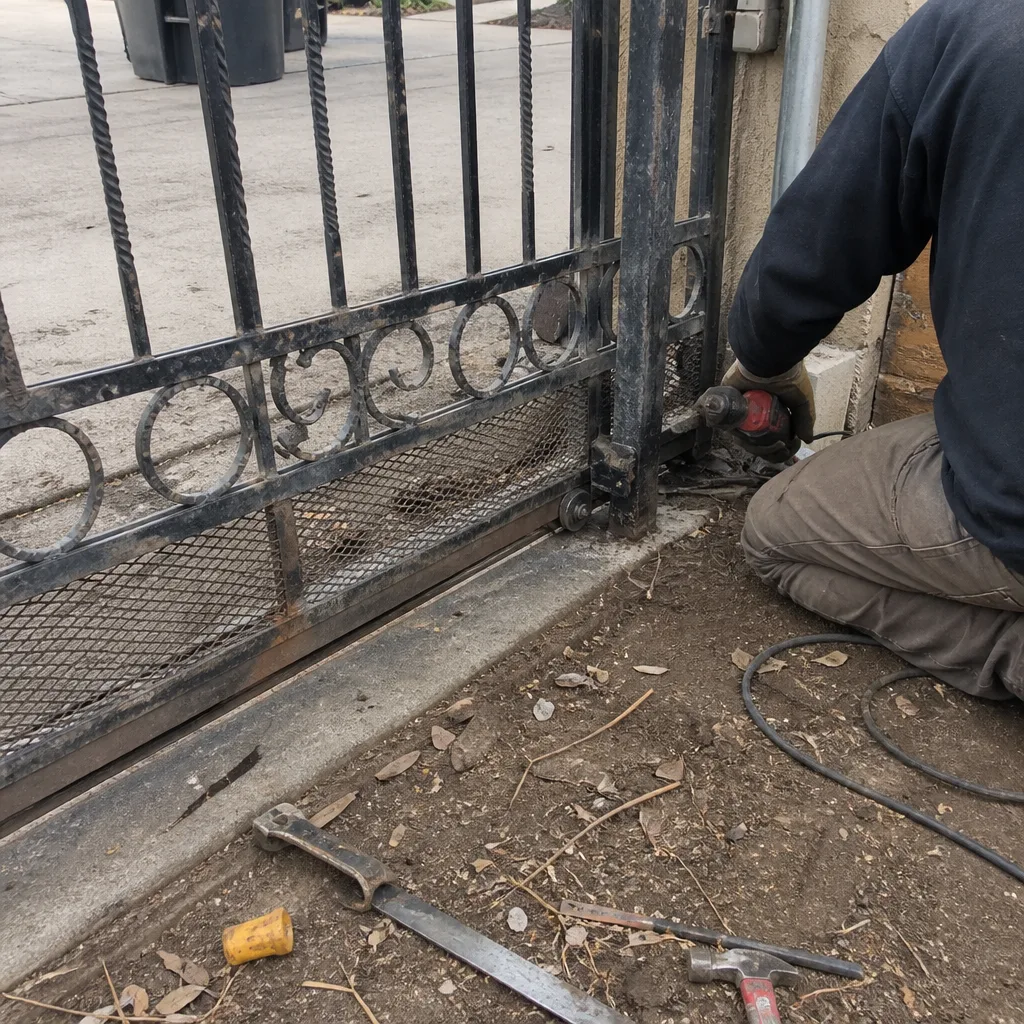 Before
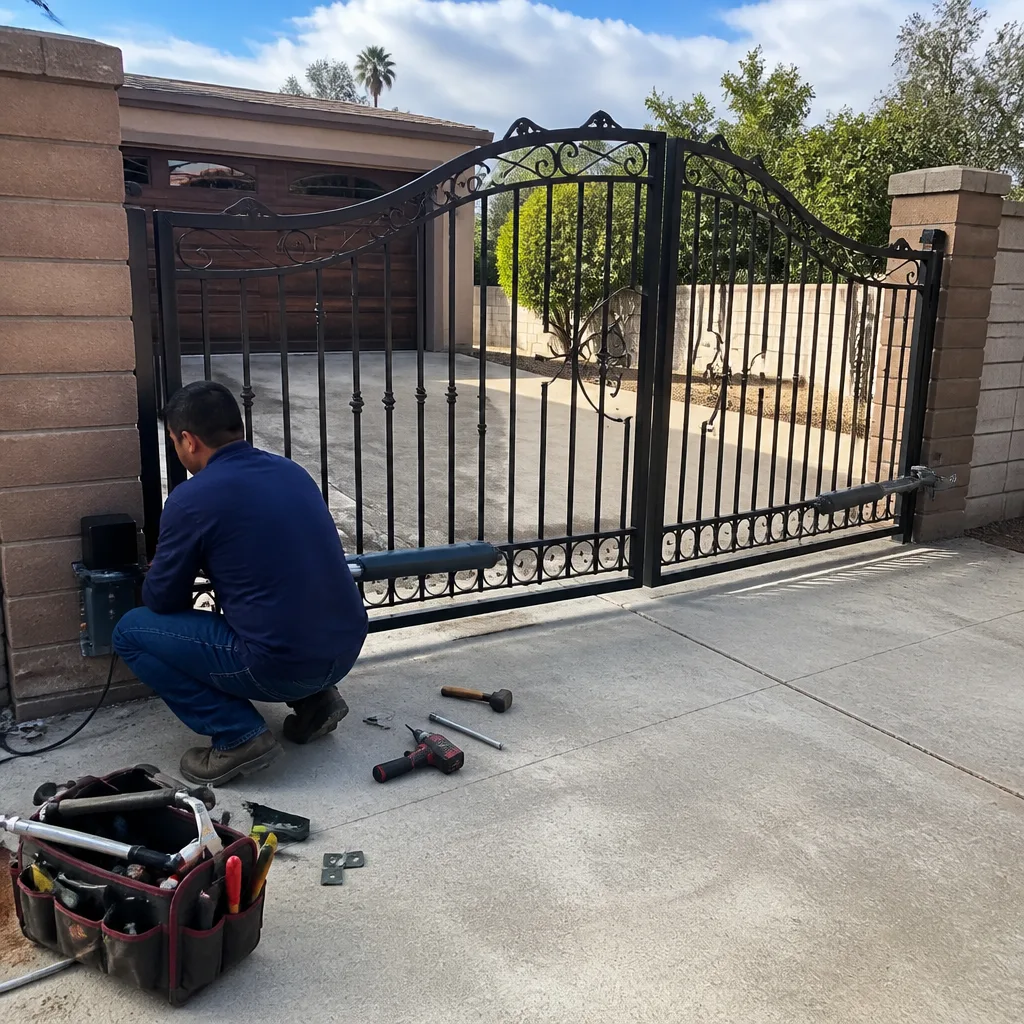 After
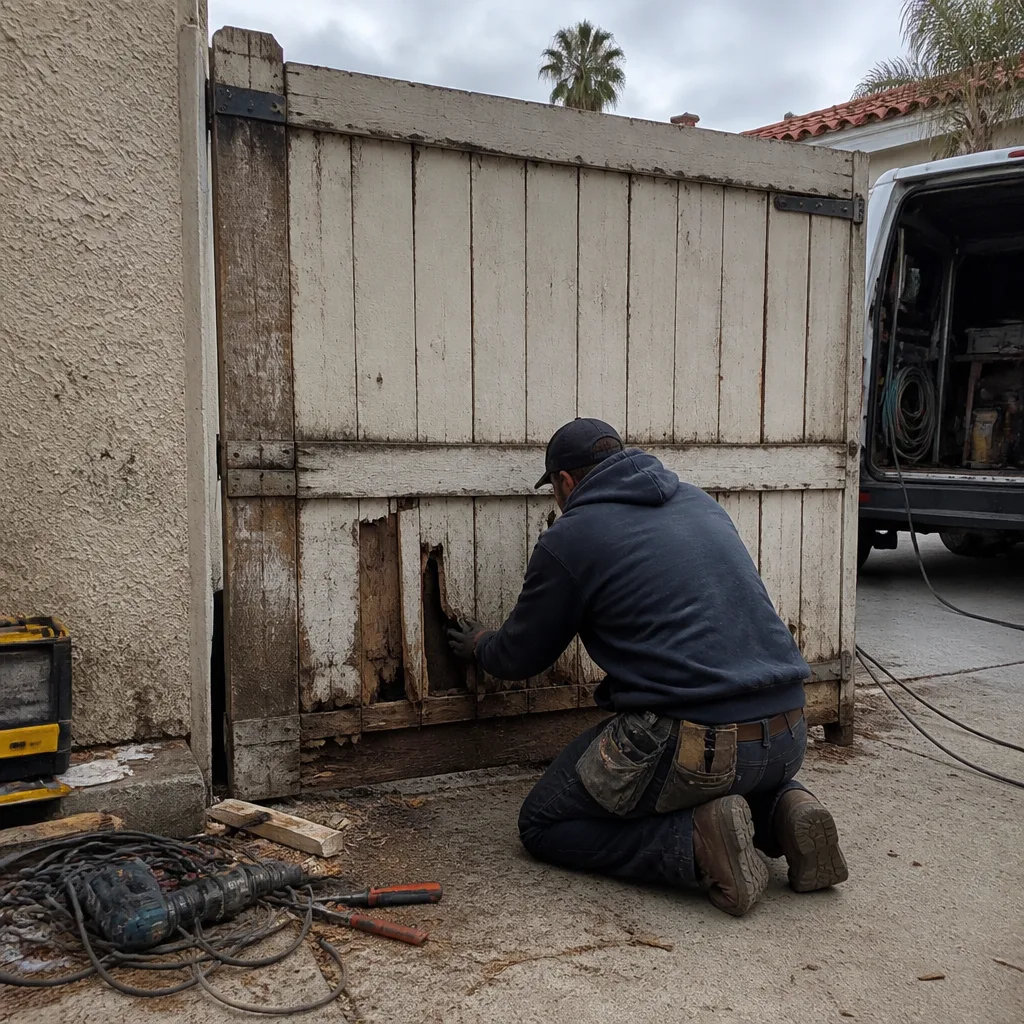 Before
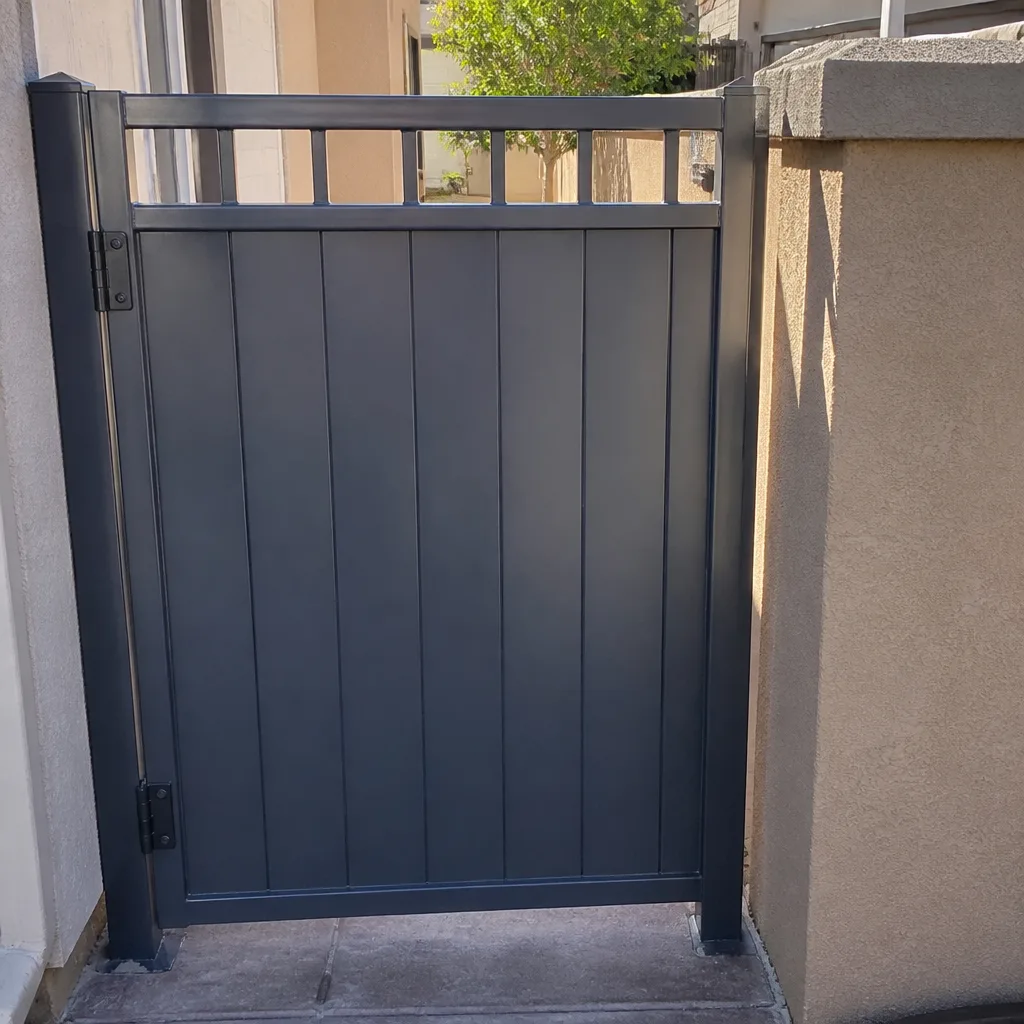 After
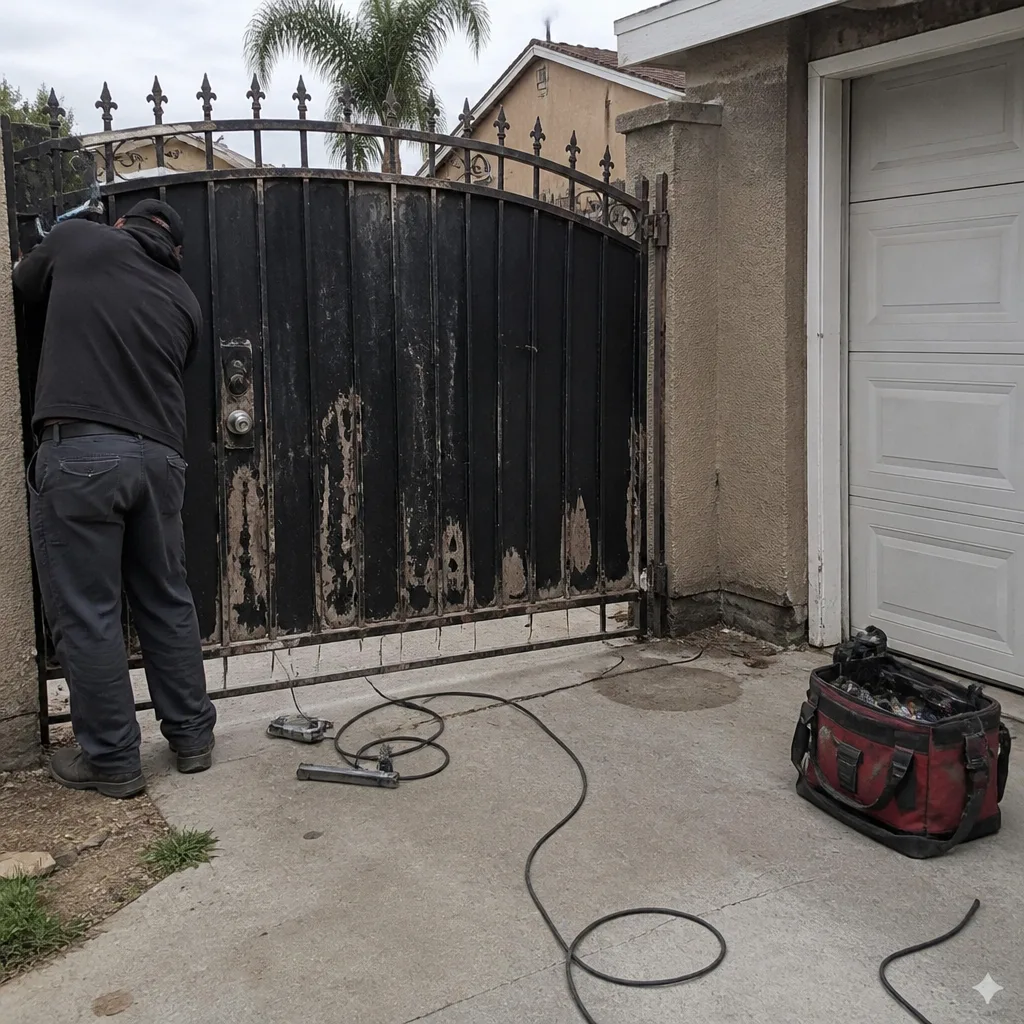 Before
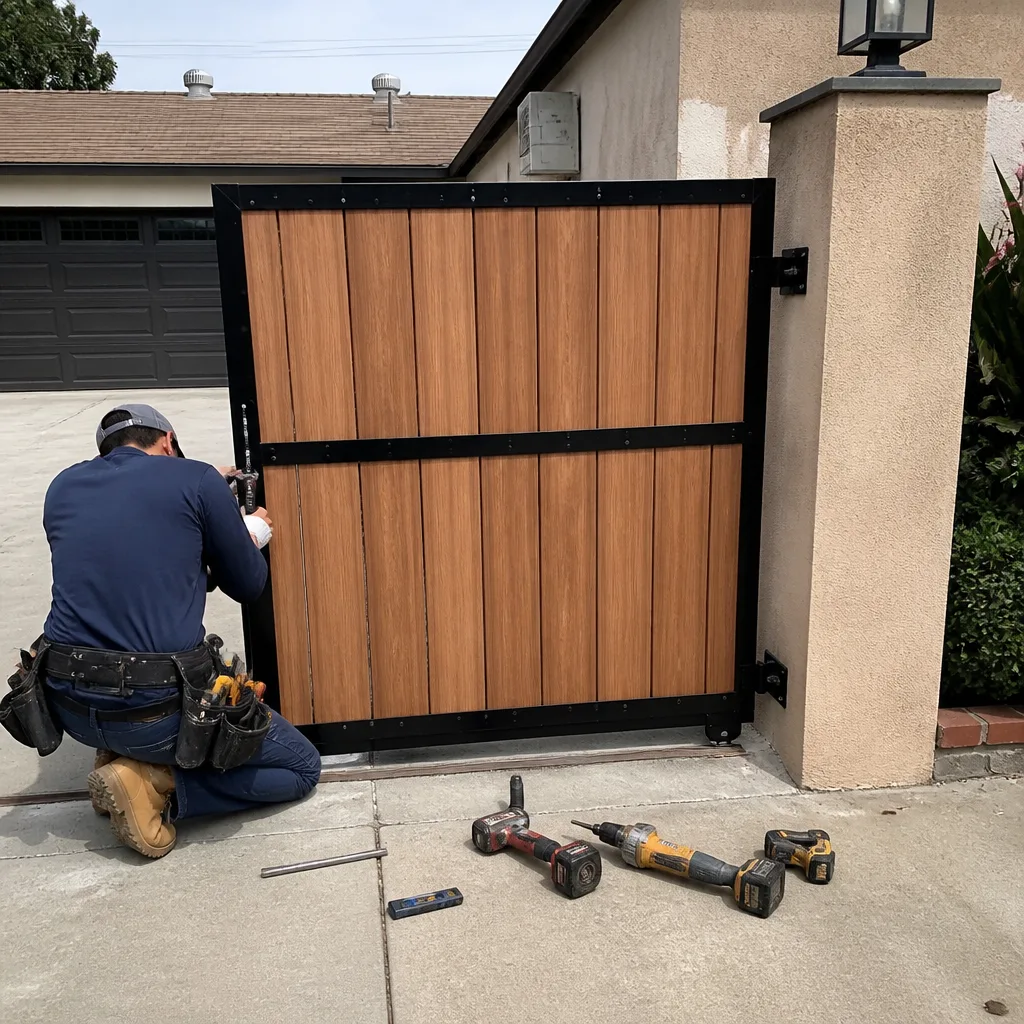 After