
Last updated October 31, 2026
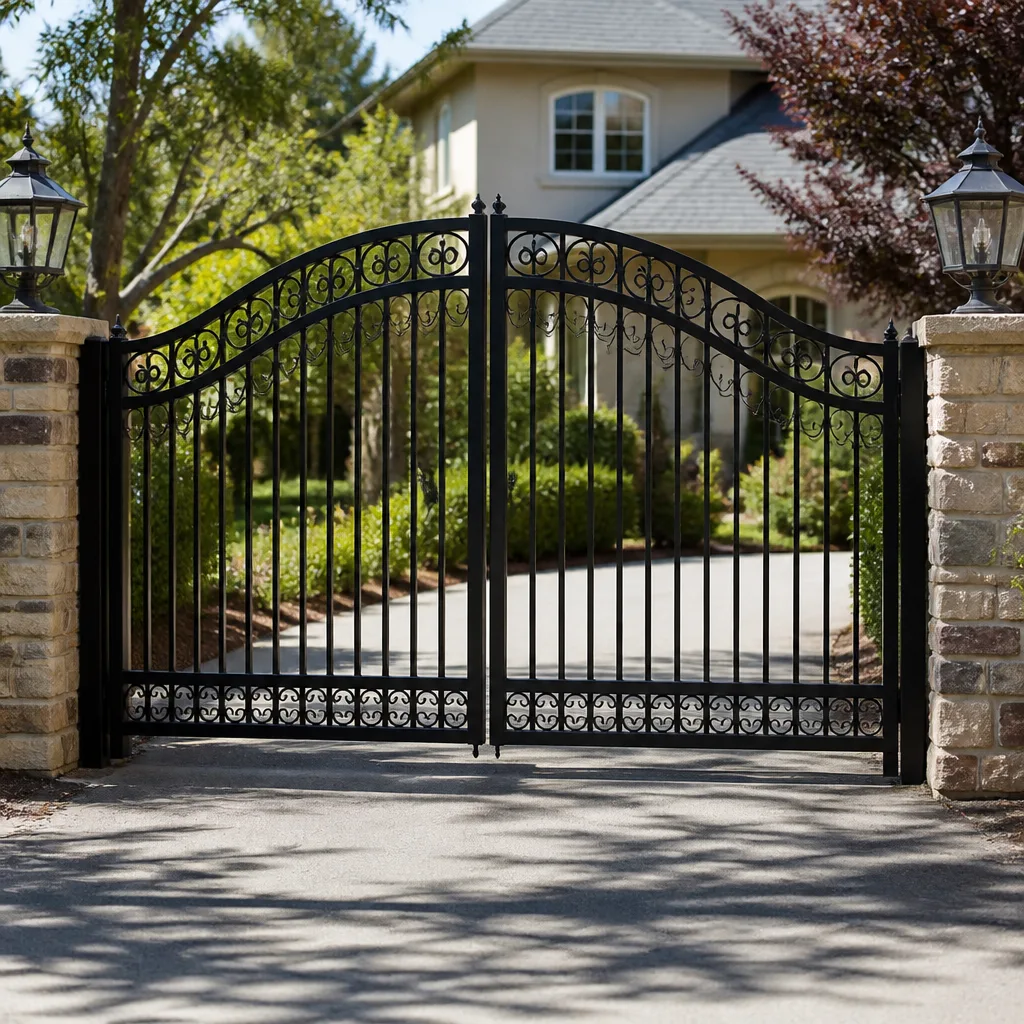 Wrought iron
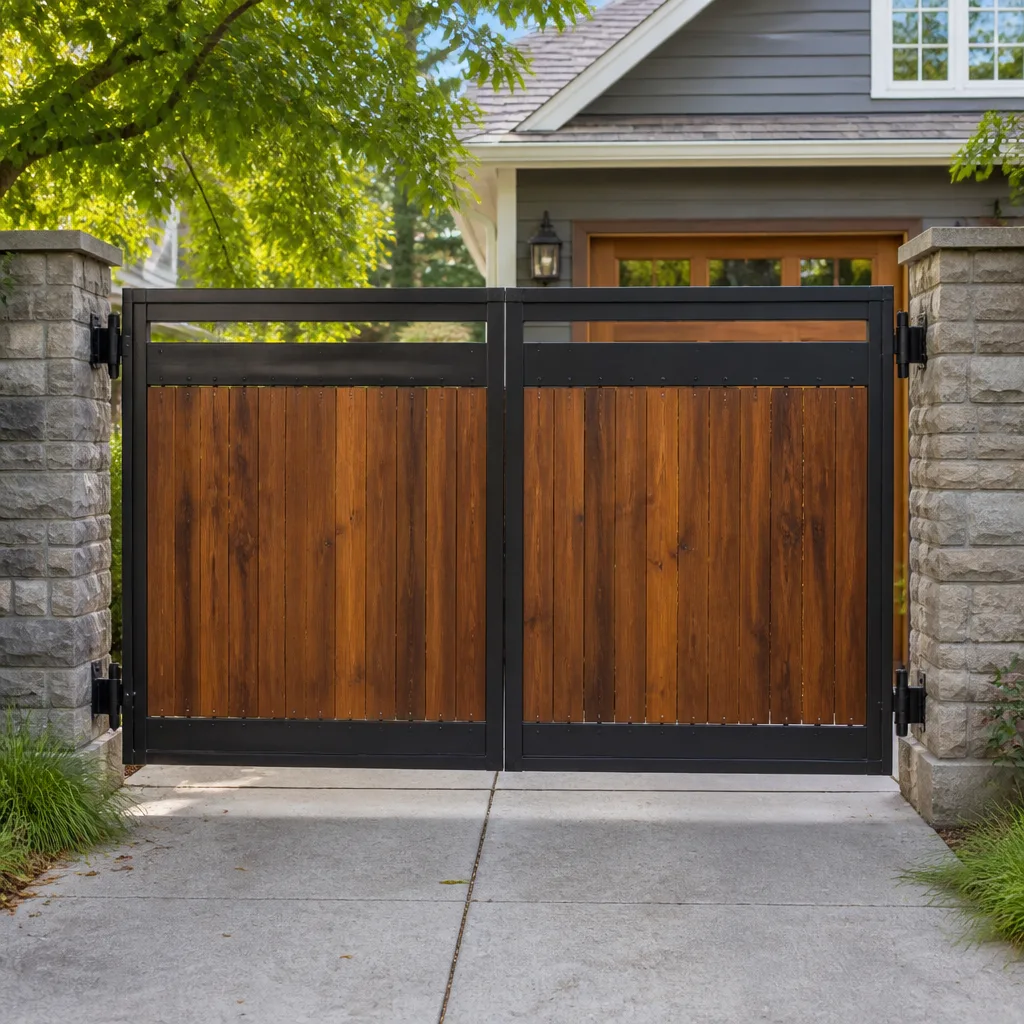 Wood & steel frame
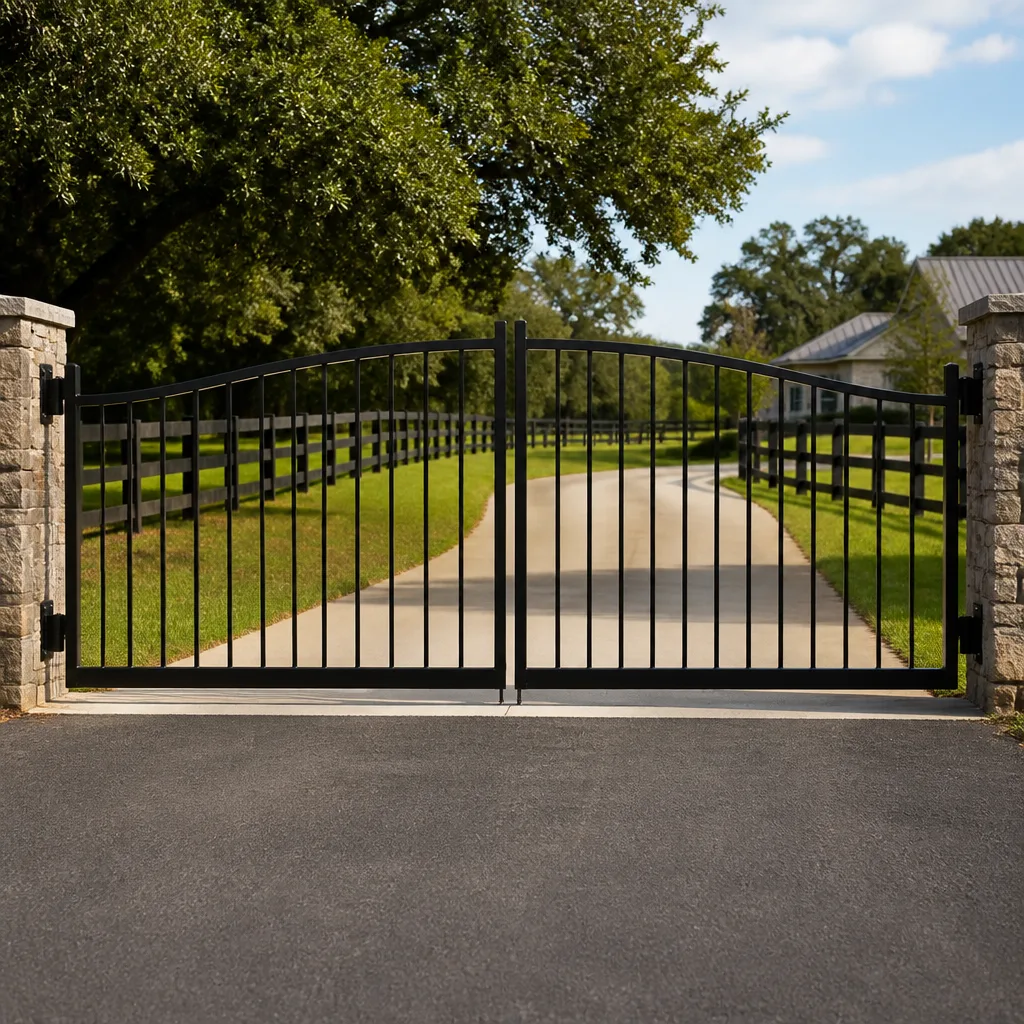 Farm & ranch
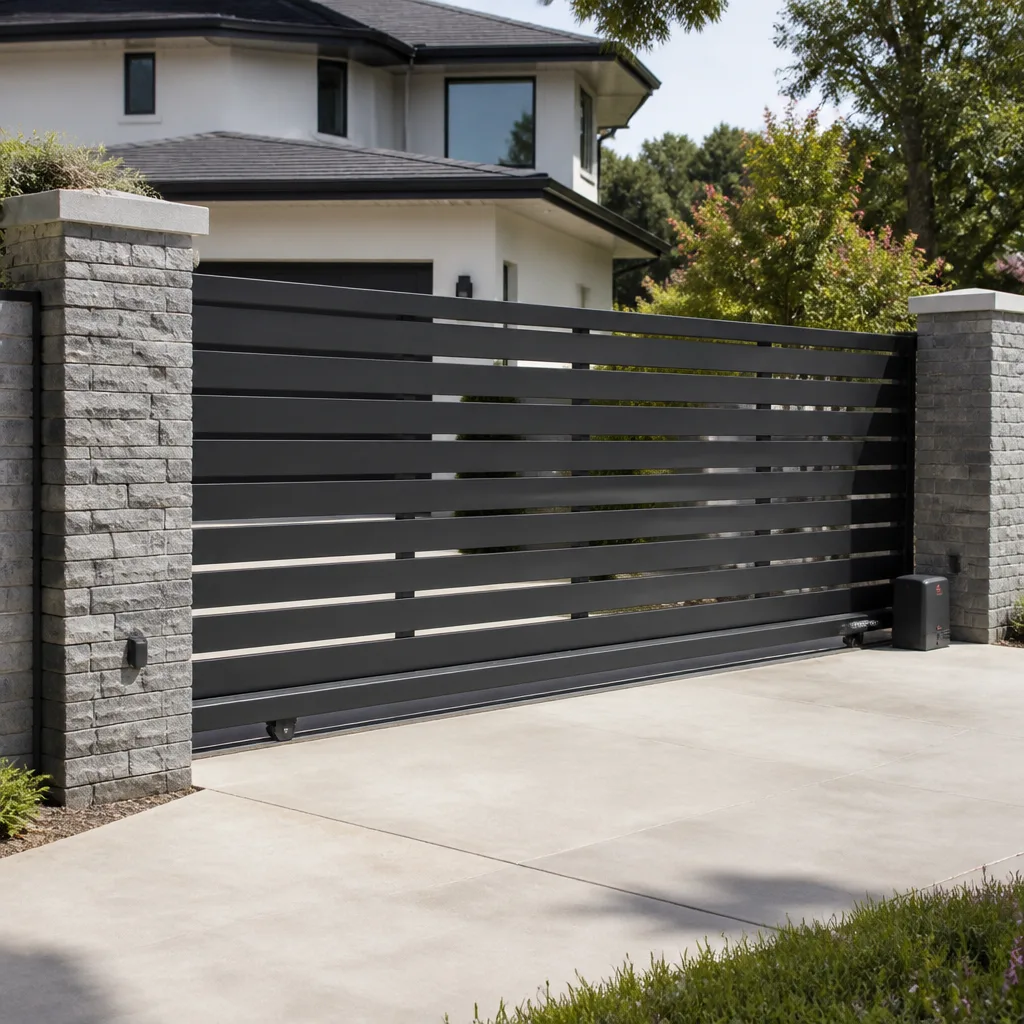 Sliding driveway gates
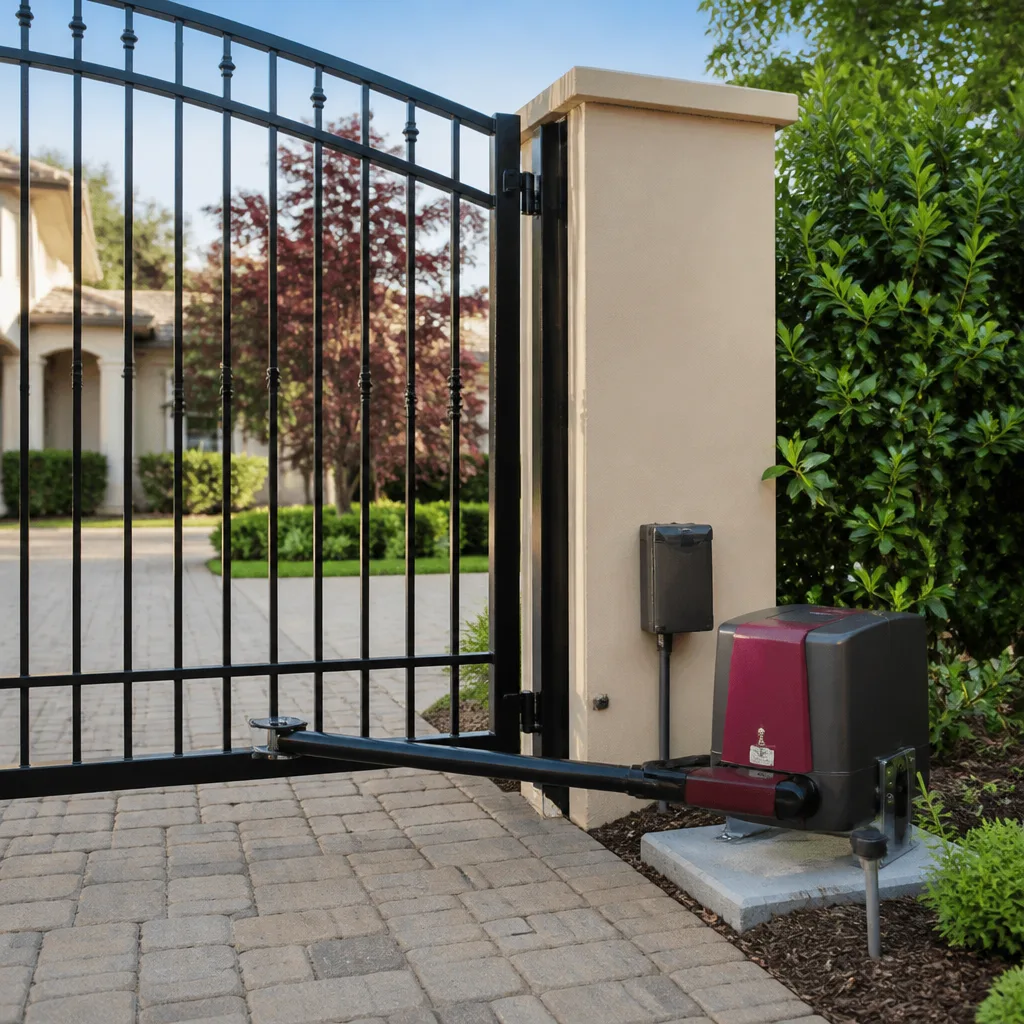 LiftMaster operators
Free on-site gate assessment - hinges, posts, and your LiftMaster or Nice gate operator checked before anything is quoted
The assessment is free and the quote is the invoice.
Get your free estimateThe Complete Guide to Gate Repair in Anaheim
Here’s a truth most Anaheim homeowners learn the expensive way: the average gate repair call that “just needs a new motor” actually involves three separate failure points. We’ve seen it hundreds of times. A swing gate sags because the post leans, which bends the hinge, which then overloads the operator until it burns out. A sliding gate grinds because the wheels are shot, which stresses the chain, which eventually kills the motor. Yet most contractors quote the motor, swap it, and leave the other two problems to quietly wreck the new part within eighteen months. This guide maps every layer of your gate system – structural, mechanical, and electrical – so you can walk into any repair conversation in Anaheim knowing exactly what’s broken and why. You’ll learn how to identify the failure layer before you ever pick up the phone, what repair scopes actually look like, and when replacement beats repair.
Styles & brands we work with
Quick Answer
Gate repair in Anaheim spans three layers: structural (posts, hinges, frame), mechanical (wheels, springs, arms), and electrical (control boards, sensors, wiring). Most gate failures involve more than one layer, and Anaheim’s clay-heavy soil creates a unique pattern of post lean that masquerades as motor failure in swing gates. A proper repair scope addresses the root cause, not just the symptom, and a gate specialist can tell you within a single service call whether DIY vs Professional Gate Repair: The Anaheim Homeowner’s Decision Guide makes more financial sense, or if our Gate Repair services are the better fit.
Table of Contents
- The Three Layers of Every Gate System
- Why Anaheim Soil Causes Post Lean (And Why It Looks Like Motor Failure)
- Gate Types Common to Anaheim Neighborhoods and Their Failure Patterns
- Diagnosing Your Gate Before You Call Anyone
- What a Complete Repair Scope Looks Like Versus a Band-Aid Fix
- Repair or Replace: When Cumulative Damage Tips the Scale
- Electric Gate Repair: The Layer Most Contractors Get Wrong
- Common Mistakes to Avoid
- When to Call a Professional
- Frequently Asked Questions
- The Bottom Line
The Three Layers of Every Gate System
Every automated gate, whether it’s a simple residential swing gate or a high-cycle commercial slide, is built on three distinct layers. When one layer fails, it often damages the other two. Understanding this hierarchy is the single most useful tool you can bring to a repair conversation.
Structural layer. This is the skeleton: the posts, the frame, the hinges, the concrete footing. If the structural layer moves, everything attached to it fights. A post that leans two degrees puts constant side-load on the gate leaf, which drags against the latch, which makes the motor work harder every cycle.
Mechanical layer. This is the moving hardware: wheels, rollers, springs, arms, chains, tracks. Mechanical components wear by design. Rollers on a sliding gate should be replaced every three to five years under normal Anaheim use. Springs on a swing gate arm fatigue with every open-close cycle. When a mechanical part binds, the electrical layer gets blamed.
Electrical layer. This is the operator brain and sensory system: the control board, the motor, the loop detectors, photo eyes, keypads, and the wiring that ties it all together. This is the layer most homeowners point at first, because it’s the one that makes noise or stops making noise. But in our experience, roughly half of electrical failures trace back to a mechanical or structural problem that overloaded the system.
The diagnostic gap exists because most contractors only look at the layer they were hired to fix. A general handyman replaces the chain. An electrician swaps the board. A welder patches the hinge. The gate still fails because the root cause lives one layer deeper.
Why Anaheim Soil Causes Post Lean (And Why It Looks Like Motor Failure)
Anaheim sits on clay-heavy soil, particularly in areas east of the 5 and stretching into the flatlands around Lincoln Avenue. Clay expands when wet and contracts when dry. Over a decade of wet winters and dry summers, that expansion cycle slowly works gate posts out of plumb. It’s not dramatic. A half-inch one year, an inch the next. But a post that moves even slightly changes the geometry of everything hung from it.
Here’s the telltale pattern we see in Anaheim neighborhoods: a homeowner reports the swing gate operator “sounds stressed” or “the gate drags at the end of travel.” The operator is actually fine. The post has crept backward, the leaf now drags on the latch post, and the motor strains because the gate physically cannot complete its arc without resistance. The homeowner replaces the motor. The new motor strains too. Six months later the same complaint returns.
How to spot post lean before you call:
- Stand at the hinge side and sight down the post vertically against a straight edge reference, like a fence line or the neighbor’s wall.
- Open the gate to the halfway point and let go. A properly balanced gate holds position. A gate that creeps open or closed on its own signals hinge geometry drift, which almost always traces to post movement.
- Look for a widening gap between the gate leaf and the latch post at the top versus the bottom. A wedge-shaped gap means lean.
- Check the concrete collar around the post for hairline cracks that weren’t there two years ago.
Post lean is not a motor problem. It’s a structural problem. Fixing it properly means resetting the post or installing a reinforcing sleeve, then re-hanging the leaf to corrected geometry – and only then evaluating whether the operator survived. This is the kind of repair a gate specialist diagnoses immediately because we’ve seen it before. The Anaheim soil makes this one of the most common root causes across the city’s residential swing gate failures.
Gate Types Common to Anaheim Neighborhoods and Their Failure Patterns
Anaheim’s housing stock spans a wide range, from 1950s ranch homes in the Colony with original wrought iron, to 1990s and 2000s subdivisions with aluminum driveway gates, to newer estates with custom automated entrances. Each gate type carries its own predictable failure pattern.
Sliding Gates
Sliding gates are the workhorses of Anaheim’s narrower lots and commercial entrances, where a swing leaf would eat too much driveway depth. A sliding gate rides on wheels along a track. The most common failure pattern is progressive wheel wear. Wheels flatten on one side, the gate tilts, the chain or belt tension changes, and the operator pulls against increasing resistance. Early warning signs include a rhythmic “thump-thump-thump” as the gate moves, and visible metal shavings near the track. Left too long, a dragging sliding gate burns out the operator gear train – a four-figure repair that started as a forty-dollar wheel.
Swing Gates
Swing gates dominate older Anaheim neighborhoods and any property with a wide driveway apron. A swing gate hangs its entire weight on hinges mounted to the post. Every pound of the leaf loads through that hinge line. Over time, hinges elongate, bushings wear, and the leaf sags. The classic failure is a gate that scrapes the driveway at the far end but has clearance at the hinge end. That’s hinge wear, not a bent frame. Swapping in a new operator without re-hanging the leaf just puts the new motor on the same death watch.
Wrought Iron vs. Aluminum vs. Wood
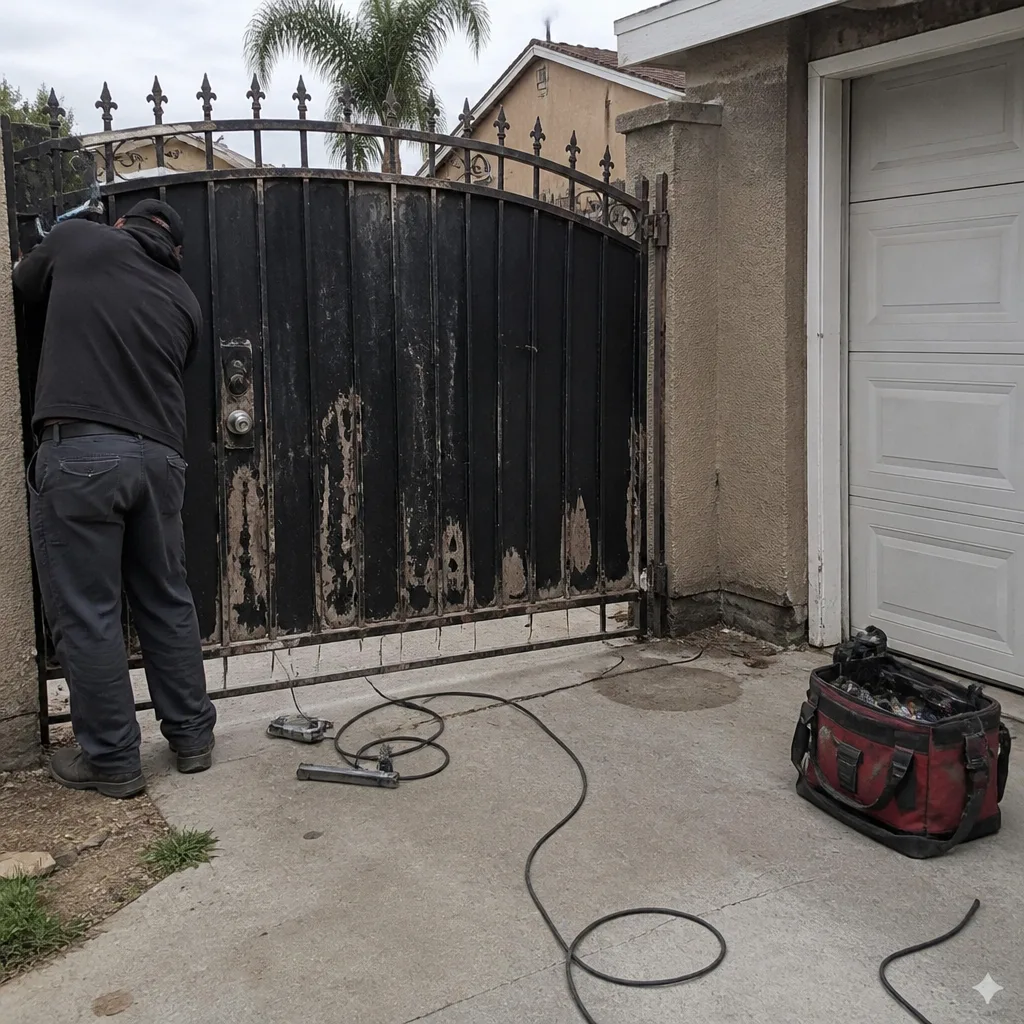
Wrought iron gates, common in Anaheim’s historic districts and period homes, are heavy and unforgiving. They rust at the weld points where moisture collects, particularly near the bottom rail. A rusted bottom rail is a structural failure waiting to happen. The repair pattern here is recurring rust remediation plus hinge replacement, because the weight of iron eats hinge bushings faster than any other material.
Aluminum gates are lighter and corrosion-resistant, which makes them popular in Anaheim’s newer developments. But aluminum bends. A light impact from a car bumper that would merely chip a wrought iron gate will twist an aluminum frame. Once aluminum is bent, it does not spring back – it stays bent, and the operator fights the distortion on every cycle.
Wood gates are less common as automated driveway gates but appear frequently in Anaheim’s ranch-style properties and side-yard entry gates. Wood swells with moisture and shrinks with heat. Anaheim’s dry summers after damp winters create exactly this cycle. A wood gate that sticks in winter and swings freely in summer has a moisture problem, not an operator problem. The fix is sealing or structural reinforcement, not a new motor.
Diagnosing Your Gate Before You Call Anyone
You don’t need to fix the gate yourself. You need to know enough to have an intelligent conversation with whoever you hire, and to recognize when a quote is treating the symptom instead of the cause. Here’s a structured diagnostic approach that mirrors what a gate specialist does on arrival.
- Identify the failure layer. Walk through the three-layer framework from earlier. Is the gate physically sagging, leaning, or dragging? That’s structural or mechanical. Is it simply not responding to a keypad or remote? That’s electrical. Is it making a grinding noise when it moves? That’s mechanical. Pick the primary layer before calling.
- Note the exact symptom, not your theory. “The gate stops halfway and reverses” is a symptom. “I think the motor is bad” is a theory. Write down what the gate actually does, when it does it, and whether it’s consistent. This saves the technician diagnostic time and pays for itself in a shorter visit.
- Check the simple electrical inputs first. Is the keypad beeping? Is the photo eye lens clean or covered in spider webs? Is the manual release disengaged? A shocking number of “dead gate” calls are fixed by re-engaging a manual release that was pulled during a power outage.
- Look for mechanical signs. Metal shavings, a rust trail from wheel bearings, a chain that hangs loose, or a spring that’s visibly stretched all point to mechanical wear that will eventually kill the operator.
- Listen to the sound. A healthy gate hums quietly. A gate that grinds has a mechanical problem. A gate that clicks rapidly but doesn’t move has an electrical relay problem. A gate that moves but labors at one point has a structural obstruction or geometry issue.
When you call with this information, the technician arrives knowing which layer to investigate first. That’s the difference between a repair that takes one visit and a repair that takes three visits while you keep paying diagnostics fees.
What a Complete Repair Scope Looks Like Versus a Band-Aid Fix
The single most important question you can ask any gate contractor is this: “Does this repair address the root cause, or just replace the part that’s currently broken?” A complete repair scope answers that question honestly and shows you the full chain of damage.
A band-aid fix looks like this:
- Replace the operator motor only, leaving the worn wheels, sagging hinges, or leaning post in place.
- Patch a rusted weld without addressing the moisture source.
- Re-tension a chain that’s stretched past its service limit.
- Adjust the photo eye alignment without checking why the gate drifted into the beam path.
- Replace a control board without investigating what overloaded the previous one.
A complete repair scope looks like this:
- Identify the root cause and explain it in plain language, with the failed component in hand if possible.
- Replace every component in the failure chain. If a burned gear train traces back to a worn wheel, the scope includes the wheel and the operator repair, plus the labor to re-align the track.
- Test the full system under load, not just after a clean bench test. A gate that works on the workbench can still fail in the driveway.
- Confirm the repair with a full cycle test at the site, including safety edge and photo eye function.
- Document what was done so the next technician (or the next homeowner) knows what was replaced and when.
Questions to ask any contractor before you approve the quote:
- “What caused this failure?” If the answer is “wear and tear” without specifics, probe deeper.
- “Does anything else on this gate need attention while you’re here?” A good technician will tell you what’s marginal even if you didn’t ask.
- “What’s the warranty on this repair, and what does it cover?”
- “How do I know the same problem won’t return in six months?” The answer should reference the root cause, not just the replaced part.
Ironcrest our Gate Repair services builds repair scopes this way by default. It’s not upselling; it’s the difference between a gate that works for ten years and one that eats a new motor every eighteen months.
Repair or Replace: When Cumulative Damage Tips the Scale
Repair is usually the right call when the failure is isolated to one layer and the other two layers are sound. A burned control board on a five-year-old gate with good posts and good hardware? Repair it. A chain that jumped the sprocket on a sliding gate with healthy wheels? Repair it. These are contained failures with clear fixes and a long service life remaining.
Replacement becomes the smarter financial decision when the damage is cumulative across multiple layers. Here’s the honest math. If your gate needs new hinges, a reinforced post, a new operator, and the frame has rust or stress cracks at three different points, you’re looking at a repair bill that approaches fifty to seventy percent of a new gate installation. At that ratio, replacement is often the better long-term value, because you reset every layer to zero simultaneously.
The tipping point varies by gate type:
- Wrought iron gates are expensive to replace, so repair usually wins unless the rust is structural and widespread. If more than two-thirds of the weld points need attention, replacement is worth pricing.
- Aluminum gates that have been bent in a vehicle impact rarely straighten cleanly. When the frame is visibly distorted, replacement beats repeated attempts to re-align.
- Sliding gates with both wheel wear and track damage, plus an operator that’s been straining for a year, often end up near the replacement threshold because fixing all three layers separately costs more than a new system amortized over its service life.
- Commercial gates in Anaheim’s high-traffic industrial and retail entrances face a different calculus. Downtime is the real cost. A commercial gate that fails twice a year for different reasons is costing more in lost productivity and emergency calls than a new high-cycle operator would.
Ironcrest Gate Repair handles both repairs and new installations, and we’ll tell you honestly which one makes sense. Our business depends on returning customers, not on selling gates people don’t need.
Electric Gate Repair: The Layer Most Contractors Get Wrong
Electric gate repair is the most specialized layer of gate work, and it’s where the generalist contractor reveals their limits fastest. An electric gate system in Anaheim typically includes a control board, a motor (DC or AC), a battery backup, loop detectors cut into the driveway, photo eyes or safety edges, a keypad or intercom, and the low-voltage wiring that connects all of it. That’s seven subsystems in one gate, and each can fail independently or imitate the failure of another.
The most common electrical failure we see is a dead control board, and the most common cause is a power surge. Anaheim’s occasional Santa Ana wind events cause exactly the kind of line disturbance that fries unprotected boards. The fix is straightforward: replace the board and install surge protection. But a contractor who doesn’t work on electric gates daily will often replace the board and skip the surge protection, inviting the same failure after the next wind season.
Another diagnostic trap is the loop detector. A loop detector reads the metal mass of a car sitting over a saw-cut wire loop in the driveway. When the loop fails, the gate won’t open automatically for a car, but it might still respond to a remote or keypad. A homeowner reports “the gate won’t open,” and a general contractor replaces the motor. The motor was fine. The loop detector was the failure. Now the customer has a new motor and the same problem.
Keypads and intercoms are another layer that demands brand familiarity. A Viking keypad failure looks entirely different from a DoorKing control board issue, and both look different from a Ghost Controls receiver problem. When the technician has worked on your specific brand before, diagnosis takes minutes instead of an hour of wiring-diagram study. That brand fluency is the core advantage of a gate specialist over a generalist.
Safety systems deserve special consideration. Photo eyes and safety edges are not optional accessories; they’re what stops the gate from closing on a person or a car. A gate that’s been hit by a vehicle often shears its safety edge or knocks the photo eye out of alignment. If the gate now reverses without obstructions, or fails to reverse when it should, the safety system needs attention before anything else. This is not a system you bypass to get the gate working.
For electric gate issues specifically, electric gate repair is a service line we run every day. If you’re in Anaheim and your gate’s brain is the problem, you want a technician who has already seen your brand’s failure modes.
Common Mistakes to Avoid
- Replacing the motor without checking the structure. A new operator on a sagging frame is a donation to the parts supplier, not a repair. Always ask what caused the motor to fail before approving the swap.
- Ignoring the manual release. A surprising number of “dead gate” calls in Anaheim turn out to be a manual release left disengaged after a power outage. Check the release lever before scheduling a service call.
- Letting rust go for one more season. Anaheim’s dry climate masks rust because it forms slowly, but it doesn’t stop forming. A rust patch at a weld point becomes a structural crack within a few years. Address it when you first see it.
- Hiring a contractor who doesn’t know your brand. If the technician has to look up the wiring diagram for your operator, you’re paying for their education. A gate specialist who works on LiftMaster, FAAC, BFT, Linear, and the other major lines has already internalized the failure patterns.
- Approving a quote that doesn’t state the price before work starts. The price should be quoted and agreed before any work begins. If a contractor won’t commit to a number in writing, find one who will.
- Delaying a repair on a commercial gate. For Anaheim businesses, gate downtime means lost customers or compromised security. A gate that’s intermittent today could be fully down next week. Commercial operators need commercial urgency.
- Assuming the most visible part is the broken part. The part that’s smoking or making noise is often the last link in a failure chain. A complete diagnostic looks upstream.
When to Call a Professional
Call a gate professional if your gate has hit a vehicle or been hit by one, if the operator is smoking or smells of burnt insulation, if the gate reverses unpredictably without an obstruction, if a safety edge is damaged, or if you’ve already replaced one component and the problem returned within months. These are all signals that the failure spans multiple layers and needs a diagnostic, not a guess. Also call if your gate is fully inoperable and you need it secured, or if you’re planning to sell and want the gate functional before listing. Ironcrest Gate Repair offers free estimates in Anaheim. Call (833) 589-7839 and we’ll walk the gate with you.
Frequently Asked Questions
Gate repair in Anaheim typically runs from $150 for a simple photo eye realignment or keypad reprogramming to $1,500 or more for a full operator replacement with new safety systems. Most repairs fall in the $250 to $600 range, which usually covers a service call, diagnostic, and replacement of a single failed component like a control board, hinge, or wheel set. The exact price depends on the gate type, the brand of operator, and whether the failure spans multiple layers; see our Gate Repair Cost Breakdown: The Anaheim Homeowner’s Reference for 2026 for detailed guidance. Call (833) 589-7839 for a free estimate – the price is quoted and agreed before any work starts.
For most residential gate repairs, yes. Common failures like a dead control board, a misaligned photo eye, or a worn wheel set can be diagnosed and repaired in a single visit if the parts are on the truck, and we stock parts for the major brands we service. Larger structural repairs like post resetting or custom hinge fabrication may take a day or two to schedule and complete. Call (833) 589-7839 and we’ll tell you honestly what your repair timeline looks like.
We service nine major gate operator brands across residential and commercial lines, including LiftMaster, FAAC, BFT, Linear, Viking, Ghost Controls, DoorKing, Elite, and Mighty Mule. Whether you’re running a residential Ghost Controls system or a commercial FAAC or DoorKing operator, we’ve worked on your system before, which means faster diagnosis and the right parts on the first visit. If you’re not sure what brand you have, take a photo of the operator and we’ll identify it from the picture.
Repair is the right call when the failure is isolated to one component and the rest of the gate is sound. Replacement becomes the smarter financial decision when the damage spans multiple layers; if your gate needs hinges, post work, and a new operator all at once, the repair bill approaches the cost of a new installation. A gate specialist can give you both numbers and let you decide with full information. We’ll tell you which one makes sense, not which one sells better.
We handle both gate installation and gate repair under one roof, so you don’t need a second contractor when a repair reveals the system is beyond saving. Our installs run from residential driveway gates to commercial access points, and we spec the right operator for the actual usage cycle, not just the cheapest option on the shelf.
We are gate specialists, not generalists. Every service call we take is a gate call, which means our technicians have diagnosed your operator model before and carry the parts that commonly fail on it. We don’t do garage doors, fencing, or general handyman work; our entire practice is built around gate systems. That’s the difference between a technician who fixes your gate and one who’s learning on your gate. For more about our approach, see the Ironcrest Gate Repair home page.
The Bottom Line
Most gate failures in Anaheim are not single-part problems; they’re multi-layer failures where a structural or mechanical issue quietly kills the electrical system. Knowing the three layers helps you identify what’s actually broken before you call anyone, and our more guides & resources can help you prepare. Anaheim’s clay soil creates post lean that mimics motor failure, and each gate type carries its own predictable wear pattern. A complete repair scope addresses the root cause and the full failure chain, not just the part that’s currently smoking. When the damage spans multiple layers, replacement often wins on long-term value. The goal is a gate that works for a decade, not one that eats repairs every year. Ironcrest Gate Repair offers free estimates in Anaheim at (833) 589-7839.
Written by the team at Ironcrest Gate Repair, serving Anaheim since 2017.
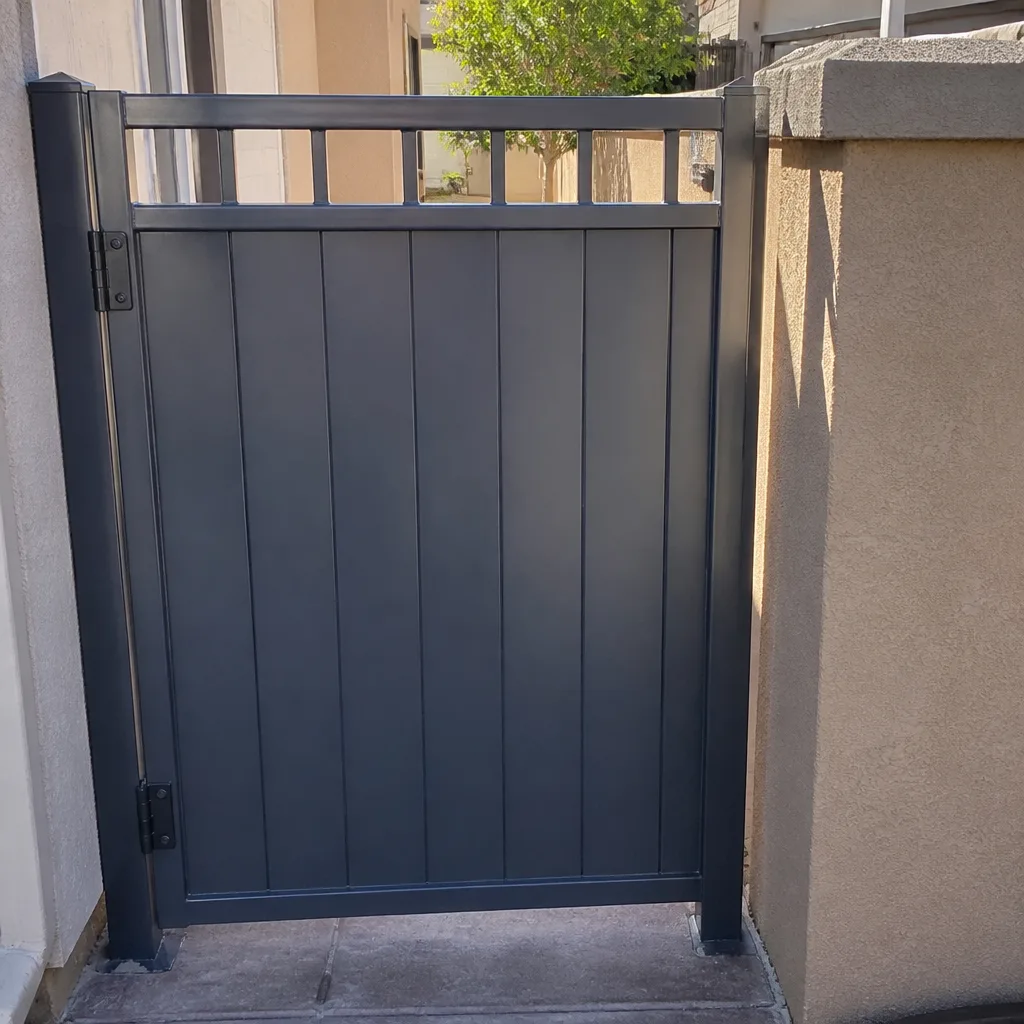
See the difference
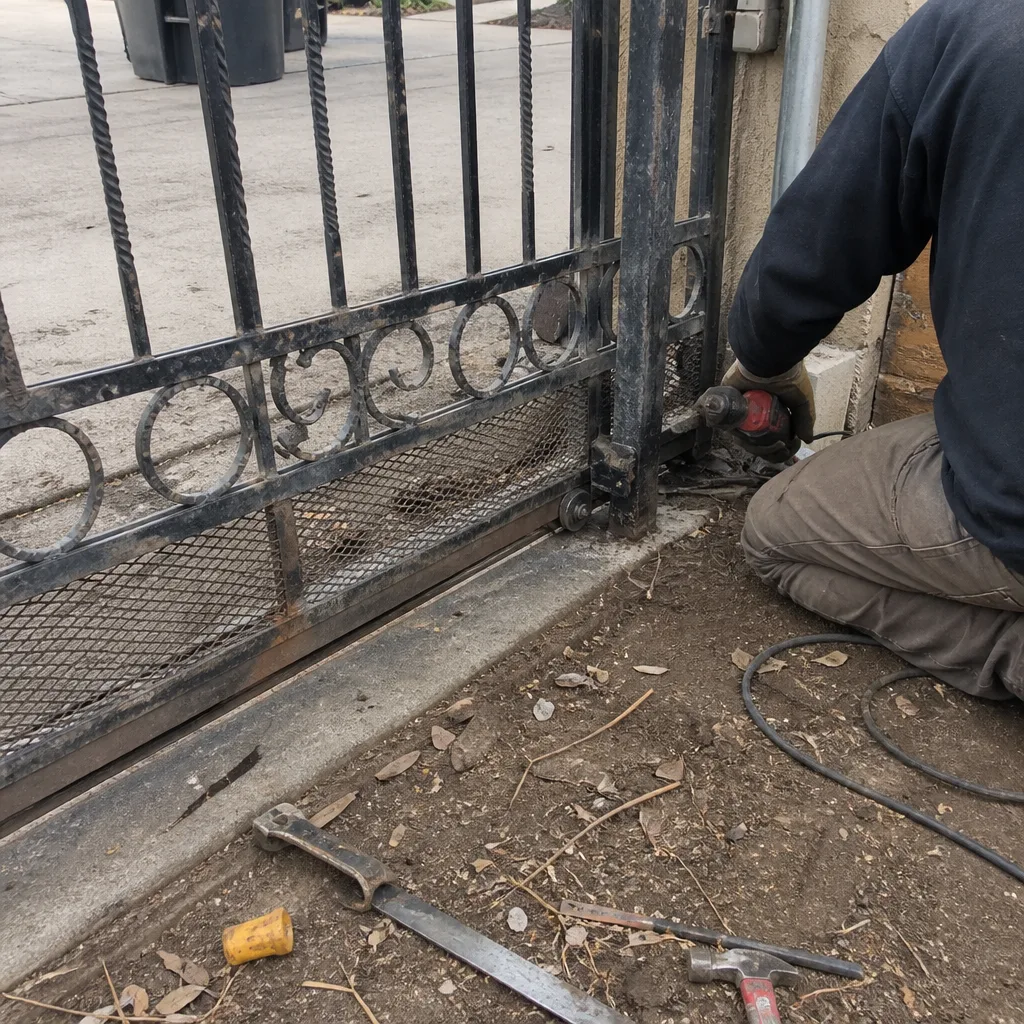 Before
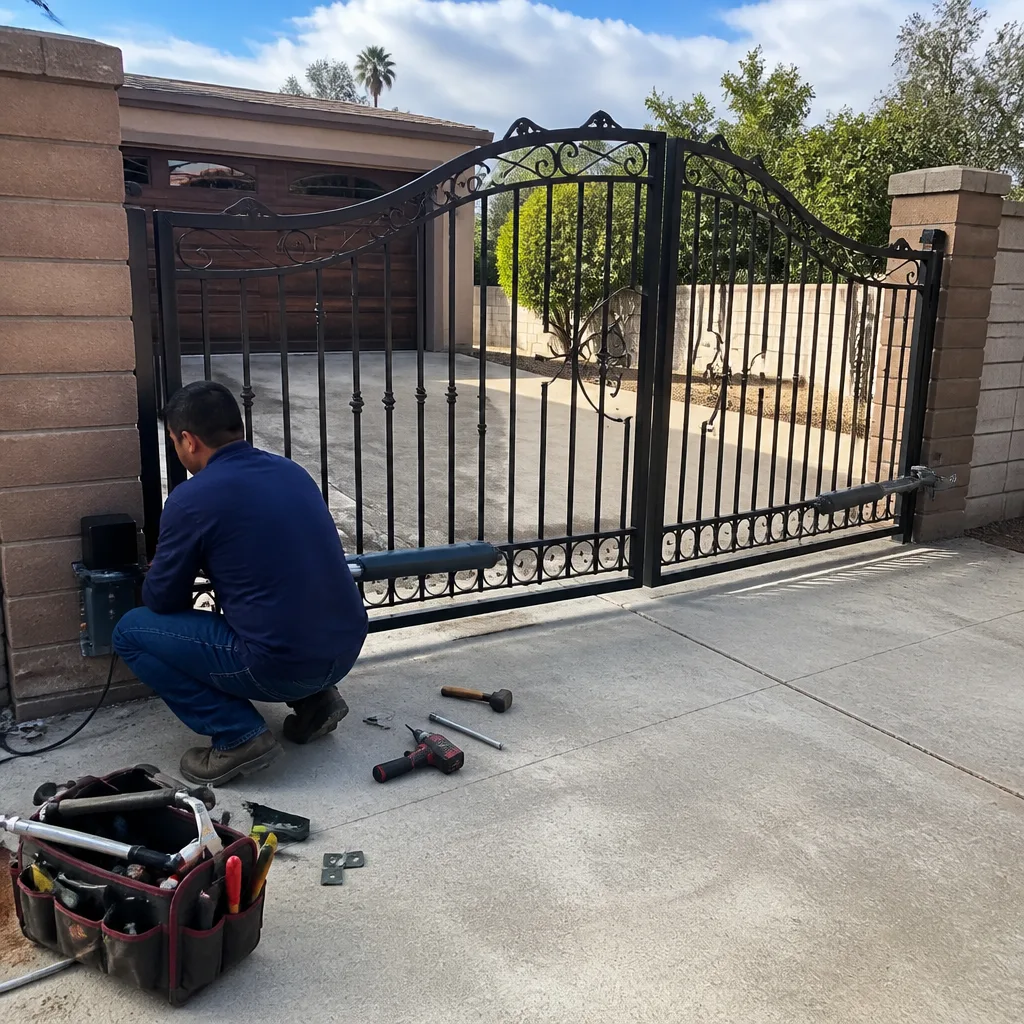 After
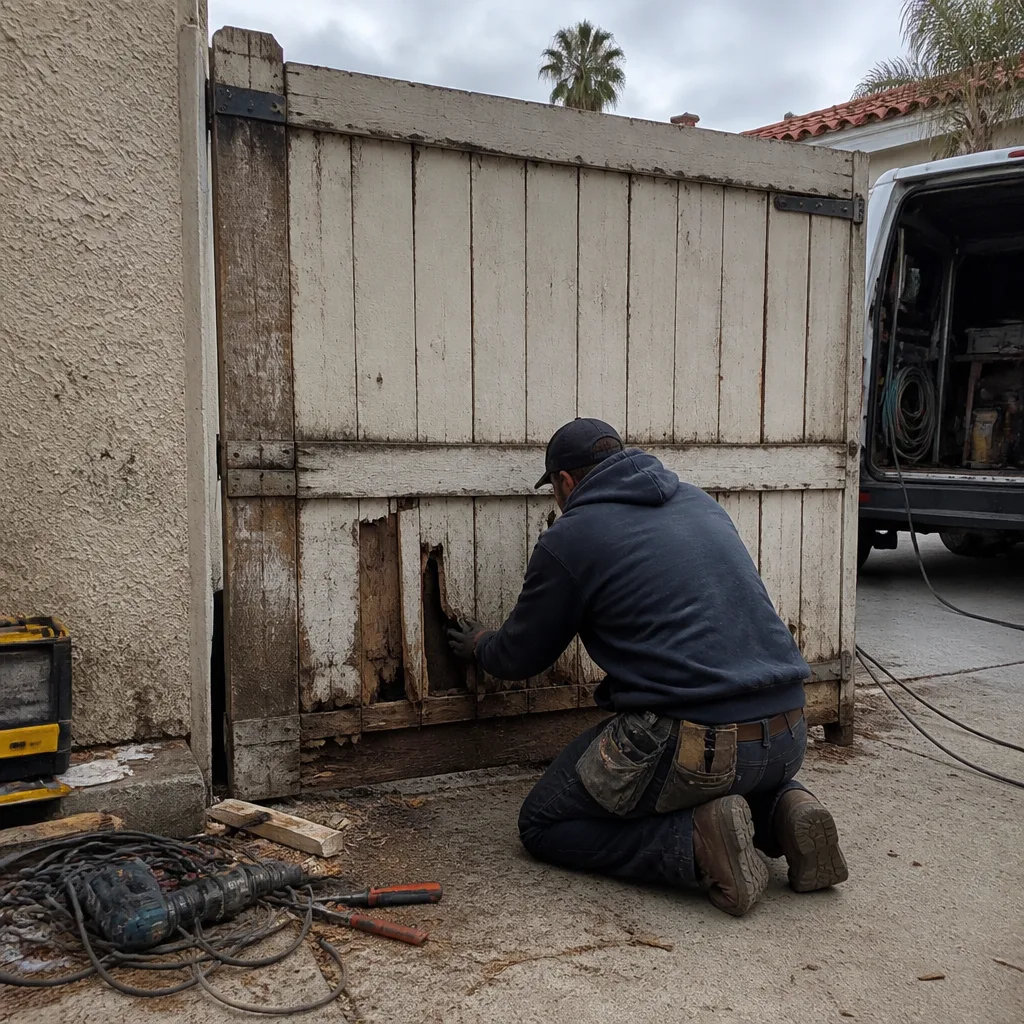 Before
 After
 Before
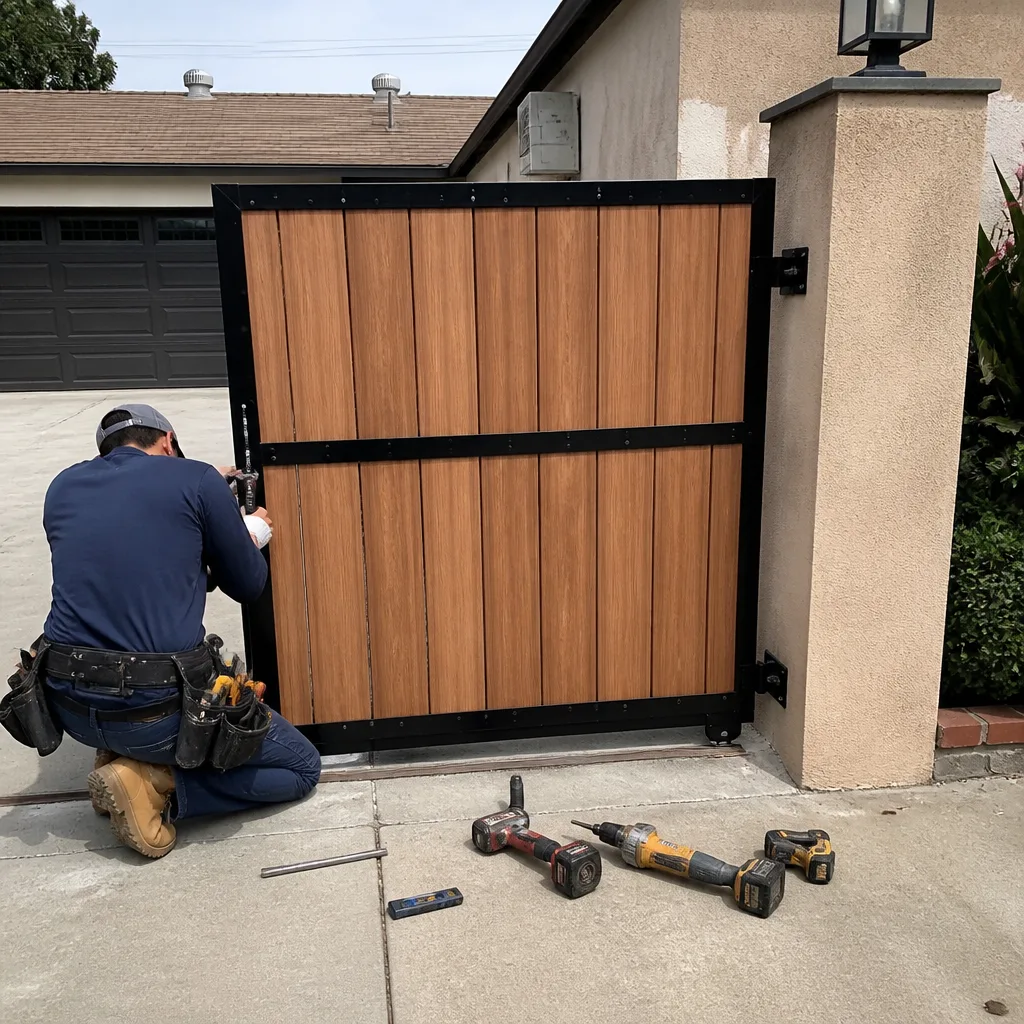 After